

 English
 中文简体
中文简体

Content
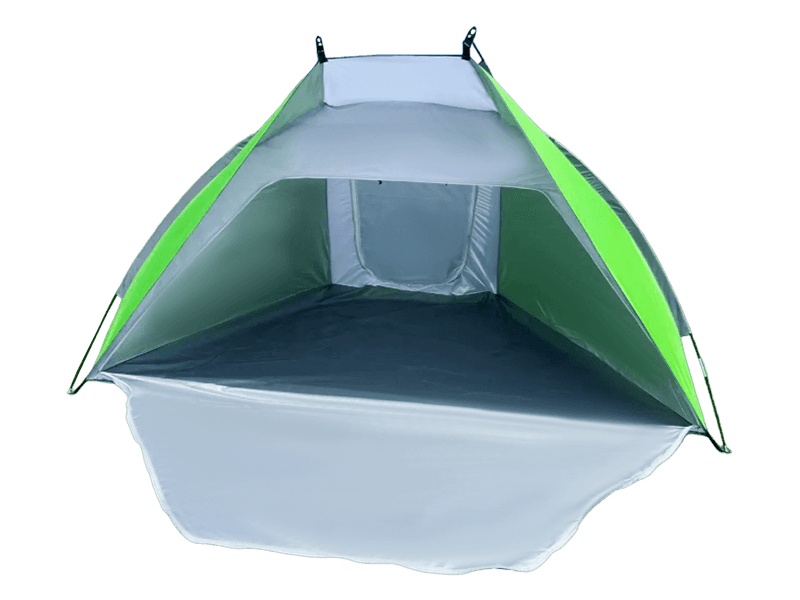
Summer is the season for beach outings, seaside fun, and family gatherings. While enjoying the sun and sand, one item becomes essential for comfort and safety: the beach tent. Outdoor multi-purpose beach tents have evolved from simple shade structures into sophisticated shelters with windproof and sandproof technology, ensuring safe and enjoyable seaside experiences. This article explores the critical aspects of these tents, including safety, technology, and practical tips, to help consumers make informed decisions for summer beach protection.
Why Is Windproof and Sandproof Technology Important for Summer Beach Tents?
Breezy days and shifting sands are common challenges at the beach. A tent that cannot resist wind or block sand intrusion quickly becomes more of a nuisance than a shelter. Modern outdoor multi-purpose beach tents employ advanced materials and designs to ensure stability and comfort under such conditions.
How Does Wind Affect the Stability of Beach Tents?
Strong coastal winds can easily overturn poorly designed tents, posing risks to users and damaging the structure. A tent with reinforced poles, multiple anchoring points, and aerodynamic design reduces the likelihood of accidents. Wind tunnel testing and anchor systems are used to ensure the tent withstands moderate to strong gusts without tipping over.
- High-strength aluminum alloy or fiberglass poles improve wind resistance.
- Multiple anchoring points (sandbags, stakes, and ropes) enhance stability.
- Testing shows windproof designs can withstand wind speeds from 30 to 50 km/h.
Why Is Sandproof Design Important?
Beaches have unique conditions, and fine sand easily enters tents, affecting comfort. Modern tents use sealed bottom edges, high-density mesh panels, and cover-style vents to prevent sand intrusion, providing a clean and comfortable interior space.
- Sealed bottom edges block sand effectively.
- Mesh vents maintain airflow while preventing sand entry.
- Sandproof designs are especially useful in windy or fine sandy beaches.
What Are the Innovations in Modern Windproof and Sandproof Technology?
Beyond reinforced poles and sandproof bottoms, new beach tents incorporate several innovations:
- Lightweight high-strength frame materials: Aluminum alloy combined with carbon fiber for easy portability and stability.
- Adjustable ventilation panels: Reduce wind resistance and improve air circulation.
- Multi-layer sandproof and waterproof fabrics: UV protection on top, water and sand resistance at the base for a dry and comfortable interior.
What Are the Key Points of Beach Tent Safety Design?
Safety goes beyond windproofing and sandproofing. It also includes materials, structural integrity, anchoring methods, and user guidance. Safety is particularly important for families, children, and pets.
How Do Material and Frame Ensure Safety?
The choice of tent fabric affects tear resistance, fire safety, and durability. Frame materials must be lightweight yet strong to withstand coastal conditions, wind, and prolonged use.
- High-strength aluminum or fiberglass poles resist bending.
- Fabrics are treated for flame resistance and UV protection.
- High-quality zippers, buckles, and seams ensure long-term use.
How Does the Anchoring System Enhance Safety?
Anchoring is the core of beach tent safety. Different types of anchors suit different sand types and wind conditions.
- Use sandbags, stakes, and ropes for stability.
- Multi-point anchoring reduces the risk of tipping.
- Additional support poles can be added in high-wind conditions.
What Are the Safety Guidelines for Tent Use?
Even the sturdiest tents can pose hazards if improperly installed. Correct installation and maintenance are essential.
- Avoid setting up tents in exposed areas or low-lying water spots.
- Regularly check poles, anchors, and fabric wear.
- Fold up the tent in storms or thunderstorms.
How to Ensure Comfort and Convenience While Protecting at the Seaside?
Modern beach tents emphasize comfort, portability, and multi-functional use, ensuring users enjoy their beach outings safely and conveniently.
What Are the Advantages of Portable Design?
Portability is a key factor for beach tents. Lightweight materials and fast setup make them easy to use for families and outdoor enthusiasts.
- Foldable storage bags allow one-person carrying.
- Quick setup saves time and effort.
- Lightweight materials do not compromise stability.
How Does UV Protection Safeguard the Skin?
Strong summer sunlight makes UV protection as important as shade. Modern tents use UPF fabrics to protect skin throughout the day.
- UPF 50+ fabrics block more than 99% of UV rays.
- Roof and sidewall designs provide full coverage.
- Using sun hats or sunscreen with tents enhances protection.
What Are the Multi-Purpose Features?
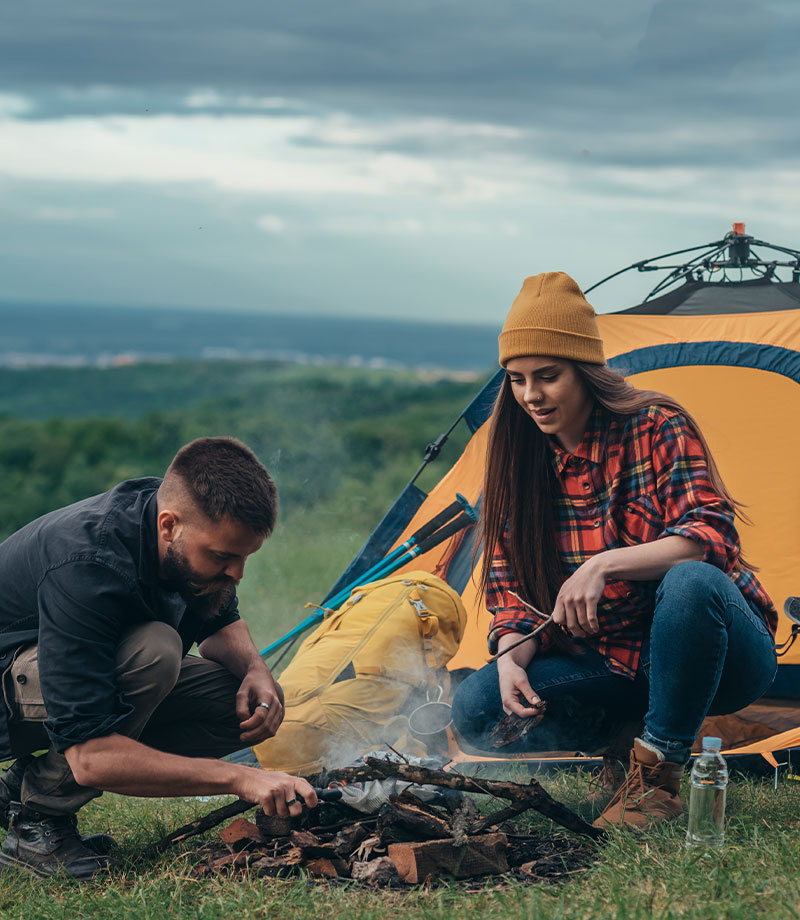
Multi-purpose tents can be used for beach relaxation, camping, picnics, or temporary shelters.
- Suitable for beaches, lakesides, or outdoor camping.
- Can serve as children’s play areas or pet shelters.
- Ideal for family gatherings or small group activities.
What Features Should Consumers Focus on When Purchasing?
Choosing the right beach tent requires considering wind and sand protection, materials, size, and after-sales support.
How to Choose the Right Wind and Sand Protection Level?
Wind and sand protection directly affect usability and comfort. The table below shows common protection levels:
| Protection Level | Wind Resistance | Sand Blocking | Suitable Environment |
|---|---|---|---|
| Basic | ≤20 km/h | Low | Calm beaches |
| Standard | 20–35 km/h | Medium | Regular beaches |
| Advanced | ≥35 km/h | High | Windy beaches |
How to Assess Fabric and Material Durability?
- Prioritize waterproof, sandproof, and UV-resistant fabrics.
- Use aluminum alloy or fiberglass poles for the frame.
- Fabric thickness and pole diameter indicate durability.
Why Are After-Sales Services and Spare Parts Important?
- 12-month warranty covering non-human damage.
- Professional guidance for maintenance and calibration.
- Adequate spare parts for quick replacement and minimal downtime.
By choosing an outdoor multi-purpose beach tent with advanced windproof and sandproof technology, secure structures, and multi-purpose design, users enjoy comfortable and safe protection during summer beach outings, ensuring durability, convenience, and ease of
Outdoor Industry Association. (2022). Outdoor recreation participation report 2022. Outdoor Industry Association.
Consumer Product Safety Commission. (2021). Portable outdoor shelters: Safety guidelines and testing standards. U.S. Government Printing Office.
Smith, J., & Brown, L. (2020). Advances in windproof and sandproof technologies for beach shelters. Journal of Outdoor Equipment and Safety, 15(3), 45–58.
National Weather Service. (2021). Coastal wind and sand hazard management. NOAA.
Kim, H., & Park, S. (2019). Evaluation of UV and environmental protection for portable beach tents. International Journal of Outdoor Products Research, 12(2), 102–115.