

 English
 中文简体
中文简体



Content
- 1 Why Are Disaster Relief Tents So Important?
- 1.1 Urgency in Disaster Situations
- 1.2 Functional Versatility of Disaster Relief Tents
- 1.3 Supporting the Recovery Efforts
- 1.4 Temporary Shelter for Vulnerable Populations
- 1.5 Ease of Deployment and Portability
- 1.6 Cost-Effectiveness in Emergency Response
- 1.7 Adaptability to Different Environments
- 1.8 Psychological Support for Disaster Survivors
- 1.9 Building Trust with Affected Communities
- 2 When Are Disaster Relief Tents Used?
- 2.1 Immediate Emergency Response
- 2.2 During the Transitional Period
- 2.3 Specific Event or Situation-Based Usage
- 2.4 After Major Natural Disasters
- 2.5 During Humanitarian Crises and Refugee Situations
- 2.6 In Mass Casualty or Pandemic Response
- 2.7 For Temporary Public Services
- 2.8 In Large-Scale Events and Gatherings
- 3 How Do Disaster Relief Tents Operate?
- 3.1 Design and Structure of Disaster Relief Tents
- 3.2 Materials Used in Disaster Relief Tents
- 3.3 Installation and Disassembly of Disaster Relief Tents
- 3.4 Functionality and Versatility of Disaster Relief Tents
- 3.5 Challenges in Operating Disaster Relief Tents
- 3.6 Advantages of Disaster Relief Tents
- 3.7 Future of Disaster Relief Tents
- 4 What Are the Advantages and Disadvantages of Disaster Relief Tents?
- 5 What Should Be Considered?
- 6 References / Sources
Why Are Disaster Relief Tents So Important?
Urgency in Disaster Situations
In the aftermath of natural disasters such as earthquakes, floods, or hurricanes, affected areas often face severe shortages in temporary housing. Communities are left homeless, and the immediate need for safe shelter becomes a top priority. Disaster relief tents provide a crucial solution by offering a quick and reliable shelter option for displaced individuals. These tents are designed to be easily deployable and can accommodate large numbers of people, offering them a safe environment during the immediate aftermath of a disaster.
Functional Versatility of Disaster Relief Tents
Disaster relief tents are not only used as shelters but also serve multiple purposes in emergency situations. These tents can be adapted to function as medical stations, command centers, or reception centers, depending on the needs of the affected area. For example, in the wake of a disaster, medical relief teams can use these tents to treat the injured, while relief agencies can use them to coordinate efforts and distribute food and supplies. Their versatile design makes them invaluable in addressing the wide-ranging needs of the disaster-stricken population.
Supporting the Recovery Efforts
After a disaster, the recovery process involves the coordinated effort of local governments, international organizations, and relief agencies. Disaster relief tents play a key role in facilitating this process by providing temporary infrastructure for the distribution of food, water, and medical supplies. These tents serve as staging areas for supplies, ensuring that essential resources reach the people who need them most. They also provide space for coordination and communication between different organizations involved in the relief efforts, helping to streamline and enhance the effectiveness of recovery operations.
Temporary Shelter for Vulnerable Populations
In disaster scenarios, vulnerable populations, such as the elderly, children, and people with disabilities, face heightened risks. Disaster relief tents offer a safe and controlled environment where these groups can receive protection from the elements while awaiting further aid. The provision of temporary housing allows for the proper care of vulnerable individuals while reducing exposure to additional health risks or threats from the disaster itself. These tents serve as an immediate means of comfort and safety, crucial during the first stages of disaster response.
Ease of Deployment and Portability
One of the primary advantages of disaster relief tents is their portability and ease of deployment. Unlike traditional buildings or shelters that require significant time and resources to set up, tents can be quickly assembled in a variety of locations. They are lightweight, compact, and can be transported using vehicles to remote or difficult-to-reach areas, ensuring that relief efforts are not hindered by geographic constraints. The tents' mobility makes them ideal for emergency situations, where time and resources are limited.
Cost-Effectiveness in Emergency Response
In the context of large-scale disasters, budget constraints are often a significant challenge for both government agencies and humanitarian organizations. Disaster relief tents are a cost-effective solution to the urgent need for shelter. They are relatively inexpensive compared to permanent housing structures, and their modular nature allows for quick scaling up or down based on the size of the affected population. By reducing the financial burden on relief efforts, tents enable more funds to be directed toward other essential areas of disaster recovery, such as medical care and food distribution.
Adaptability to Different Environments
Another important feature of disaster relief tents is their adaptability to various environments and weather conditions. These tents are designed to withstand a range of climates, from extreme heat to heavy rain or snow. This ability to function in diverse environments makes them suitable for disaster relief operations across the globe, whether in tropical, arctic, or temperate regions. Tents are also designed to be durable and resistant to wear and tear, ensuring they can provide reliable shelter even in challenging conditions.
Psychological Support for Disaster Survivors
In addition to their physical functionality, disaster relief tents offer psychological comfort to survivors. The experience of displacement during a disaster can cause significant emotional distress. By providing a safe, temporary space, these tents help alleviate some of the trauma associated with losing one's home and community. The familiarity of a tent, even though temporary, can offer a sense of stability and normalcy for individuals as they begin to process the events and start rebuilding their lives.
Building Trust with Affected Communities
Disaster relief tents can help build trust between relief organizations and affected communities. When communities see that aid agencies are able to provide immediate shelter and support, it fosters a sense of confidence and cooperation. This trust is essential for the long-term success of recovery efforts, as it encourages affected populations to engage with aid organizations, share information, and participate in the rebuilding process. The presence of well-organized and efficient disaster relief operations, supported by effective shelter solutions, helps strengthen the overall response to the disaster.
When Are Disaster Relief Tents Used?
Immediate Emergency Response
Disasters, whether natural or man-made, often strike with little to no warning. The immediate aftermath of such events presents a critical challenge: providing emergency shelter for those displaced by the disaster. In densely populated areas, where traditional housing may be destroyed or rendered uninhabitable, disaster relief tents serve as one of the fastest and most efficient solutions. These tents can be quickly deployed, offering temporary shelter to large numbers of people in a matter of hours. Their ability to be set up rapidly makes them indispensable during the initial response phase, providing a safe and secure environment for survivors while aid organizations assess and address other urgent needs.
During the Transitional Period
In the days, weeks, or even months following a disaster, affected communities typically face a prolonged recovery process. During this period, disaster relief tents continue to play a significant role in providing shelter to those whose homes have been damaged or destroyed. These tents serve as transitional housing, offering temporary living spaces until permanent homes or other more sustainable infrastructure can be constructed. As rebuilding efforts unfold, the use of tents ensures that displaced populations are not left without shelter, preventing further health and safety risks. In some cases, tents are used as temporary residences until local governments and organizations can build sufficient permanent housing for the affected population.
Specific Event or Situation-Based Usage
Disaster relief tents are also widely used in specific events or scenarios, such as large-scale public gatherings, emergency medical relief operations, or temporary refugee camps. In such situations, the tents provide crucial infrastructure for a variety of functions. For example, during large outdoor events like concerts, festivals, or sporting events, tents are used to provide shelter for visitors and staff. Similarly, in the case of emergency medical operations, such as in the aftermath of a disaster or a medical outbreak, tents are set up to serve as treatment centers or makeshift hospitals. Their adaptability and versatility make them suitable for temporary usage in a range of special circumstances, where quick deployment and the ability to provide shelter and support are essential.
After Major Natural Disasters
Natural disasters, such as earthquakes, hurricanes, and floods, are among the most common reasons for the widespread use of disaster relief tents. After the immediate shock of these events, affected areas often lack the necessary infrastructure to house the large number of people displaced. In many cases, homes, schools, and other public buildings are damaged beyond repair, and local authorities are faced with the daunting task of providing shelter for those left homeless. In these situations, tents are used as emergency shelters to protect survivors from harsh weather conditions, including extreme heat, cold, or rain. These shelters help prevent further exposure to dangerous conditions, such as disease or exposure-related health issues, until more permanent solutions can be established.
During Humanitarian Crises and Refugee Situations
Disaster relief tents are also widely used during humanitarian crises, particularly in refugee camps or areas of conflict. When large numbers of people are forced to flee their homes due to violence, war, or persecution, temporary shelters are urgently needed. Disaster relief tents can be quickly assembled in refugee camps or border areas, providing a safe space for displaced individuals. In such settings, the tents not only offer physical protection but also help to maintain a sense of security and normalcy during an uncertain and often dangerous time. The ease of transportation and set-up of these tents makes them an essential part of any emergency response in refugee or conflict zones.
In Mass Casualty or Pandemic Response
In cases of mass casualty events or pandemics, disaster relief tents are used to set up emergency medical stations to care for the injured or ill. During events such as earthquakes, industrial accidents, or disease outbreaks, hospitals may be overwhelmed with patients, and the need for additional medical facilities becomes urgent. In these instances, tents are used to create additional treatment areas where medical professionals can administer care. In the case of pandemics, such as the COVID-19 outbreak, tents are deployed as testing centers, isolation units, or vaccination clinics. Their ability to be set up quickly and their flexibility in terms of use make them invaluable in situations where immediate medical care is required.
For Temporary Public Services
Disaster relief tents also serve a vital role in providing temporary public services in areas where infrastructure has been compromised. In the immediate aftermath of a disaster, local governments and relief organizations may set up tents to operate as community centers, distribution points for food and water, or as temporary administrative offices for coordinating disaster relief efforts. These tents enable the continued delivery of essential services in a safe and organized manner, ensuring that aid reaches the people who need it most. They are particularly important in remote or hard-to-reach areas, where other forms of infrastructure may be limited or destroyed.
In Large-Scale Events and Gatherings
Outside of disaster situations, disaster relief tents are commonly used for large public events, where temporary shelter is needed. These events may include outdoor festivals, sporting events, trade shows, and exhibitions. Tents are used to provide shade, seating, food service areas, and medical assistance stations. Their ability to cover large areas and be easily customized for different uses makes them ideal for accommodating large crowds in outdoor settings. Additionally, they can be adapted to create specific zones for security, first aid, and administrative functions, ensuring smooth operations during these events.
| Situations for Disaster Relief Tents | Use Case |
|---|---|
| Immediate Emergency Response | Quick deployment to provide shelter to displaced people in the aftermath of a disaster |
| Transitional Housing | Temporary shelters during the reconstruction of permanent housing in affected areas |
| Specific Event or Situation-Based Usage | Used during public events, large gatherings, or emergency medical operations |
| After Natural Disasters | Used to provide shelter after earthquakes, floods, and hurricanes |
| Humanitarian Crises and Refugee Situations | Provides shelter in refugee camps and conflict zones |
| Mass Casualty or Pandemic Response | Used as emergency medical stations during mass casualty events or health crises |
| Temporary Public Services | Provides space for administrative and community functions in the aftermath of a disaster |
How Do Disaster Relief Tents Operate?
Design and Structure of Disaster Relief Tents
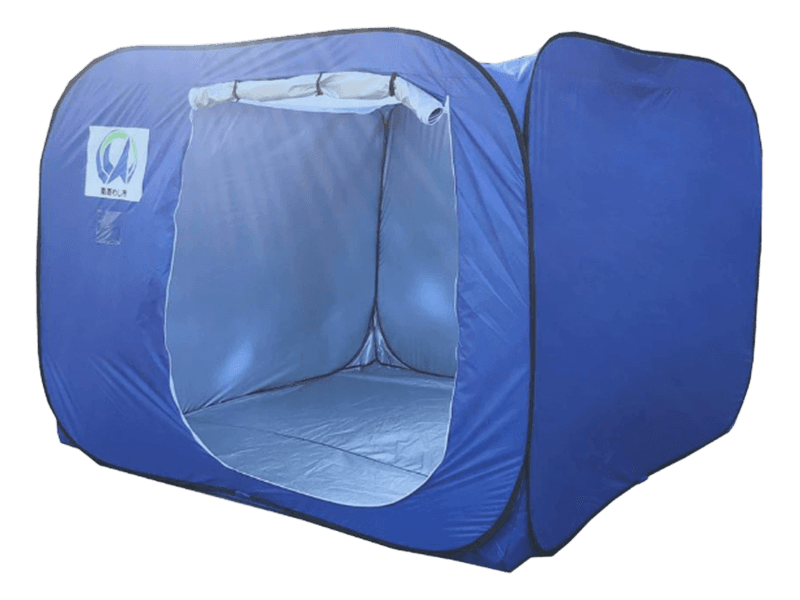
Disaster relief tents are specifically designed to meet the urgent needs of communities affected by natural disasters. Their construction and design are crucial for providing temporary shelter in a variety of challenging environments. Modern disaster relief tents typically use lightweight metal frameworks or quick-assembly structures that enable fast deployment. These tents are engineered to withstand harsh weather conditions such as heavy rain, strong winds, and extreme temperatures, which are common in the aftermath of disasters. The design ensures that the tents can be set up quickly and provide stable and secure shelter to displaced individuals.
The frame of these tents is often made of aluminum or steel, which is lightweight yet strong enough to endure the environmental pressures encountered during disaster scenarios. The structure is designed to be modular, meaning it can be expanded or contracted depending on the number of people requiring shelter. The use of flexible materials like polyester or nylon-coated fabrics also contributes to the overall lightweight nature of the tent while maintaining durability and resistance to external elements.
Materials Used in Disaster Relief Tents
The materials used in disaster relief tents are crucial for their functionality and durability. Commonly, the outer fabric of these tents is made from polyester or nylon, which are known for their strength, flexibility, and resistance to tearing. These materials are coated with waterproof treatments to ensure the tent remains dry even in heavy rain. Additionally, some high-end disaster relief tents are made with specialized fabrics that provide extra protection, such as ultraviolet (UV) resistant coatings, which prevent the fabric from degrading under prolonged exposure to sunlight. Some tents also feature fire-resistant coatings, which add an extra layer of safety by minimizing the risk of fire hazards, particularly in areas where the disaster may have led to exposed electrical lines or flammable debris.
The choice of materials is not limited to the outer fabric. The interior materials are also carefully selected to improve comfort and safety. For example, flooring is often made from durable, water-resistant materials to prevent water from seeping in and causing discomfort or health risks. In addition, insulation materials may be added to help maintain a livable temperature inside the tent, particularly in areas where extreme cold or heat is prevalent. The overall design and material choice are focused on creating a safe, secure, and comfortable temporary living environment for disaster survivors.
Installation and Disassembly of Disaster Relief Tents
One of the most critical features of disaster relief tents is their ability to be quickly set up and dismantled. This makes them invaluable in emergency situations, where time is of the essence, and rapid deployment is necessary. These tents are typically designed to be assembled with minimal effort, often requiring no specialized tools or equipment. However, in larger-scale operations, professional teams and mechanized equipment may be used to speed up the installation process.
The assembly process begins with the transportation of the components to the disaster site. These components are typically lightweight and compact, which makes transportation more manageable. Once on-site, the tent framework is erected first, followed by the attachment of the fabric cover. The framework is usually designed with snap or lock mechanisms that make it easy to put together without the need for extensive assembly. This allows the tents to be erected quickly, providing shelter within a short time frame after arriving at the disaster site.
After the immediate need for shelter has passed, the disassembly of the tents is equally straightforward. Professional teams are trained to take down the tents and pack the components into manageable sections for transport back to storage. This process is crucial for reducing the logistical burden on relief teams and ensuring that resources are used efficiently. The tents' modular design also facilitates easy storage, as individual components can be stacked or stored without taking up excessive space.
Functionality and Versatility of Disaster Relief Tents
Disaster relief tents are versatile and serve many functions beyond just providing shelter. They can be easily adapted to accommodate a wide range of needs during and after a disaster. For example, disaster relief tents can be converted into temporary medical facilities, allowing healthcare workers to treat injured individuals in a safe and controlled environment. In cases where the local healthcare infrastructure has been overwhelmed or damaged, these tents offer an immediate solution to help prevent further casualties by providing a space for emergency medical care.
In addition to medical use, disaster relief tents are often set up as command centers where aid organizations can coordinate their efforts. These tents provide a central location for distributing supplies, coordinating rescue operations, and managing communications between relief teams. They also serve as temporary administrative offices for governments and NGOs, ensuring that the response to the disaster is well-organized and efficient. Their adaptability to different roles makes them an indispensable tool in the disaster response toolkit.
Challenges in Operating Disaster Relief Tents
While disaster relief tents are essential for providing temporary shelter and support, there are challenges associated with their operation. One of the primary concerns is maintaining the tents' structural integrity over time. Exposure to harsh environmental conditions such as extreme weather, high winds, or continuous rainfall can lead to wear and tear on the fabric and frame. Additionally, tents must be regularly inspected for damage, as small holes or tears can compromise their ability to provide adequate shelter.
Another challenge is the management of large populations in the tents. While disaster relief tents are designed to accommodate many people, overcrowding can quickly become an issue, especially in the case of large-scale disasters. Relief agencies must carefully manage the number of individuals housed in each tent to prevent overcrowding and ensure that each person has access to basic necessities such as food, water, and medical care. This requires careful planning and coordination, as well as additional resources for maintaining the tents and supporting the people inside.
Advantages of Disaster Relief Tents
Despite these challenges, disaster relief tents offer numerous advantages in emergency situations. The most significant benefit is their speed of deployment, which can save lives in the crucial hours following a disaster. The ability to quickly set up shelters in affected areas provides immediate relief to those in need, reducing the risks associated with prolonged exposure to the elements. Additionally, the versatility of the tents makes them adaptable to various needs, from temporary housing to medical centers to command posts, ensuring that they can meet the diverse requirements of disaster relief operations.
Future of Disaster Relief Tents
The future of disaster relief tents is likely to see continued innovation in terms of materials, design, and functionality. As technology advances, it is expected that tents will become even more durable, lightweight, and efficient in terms of energy use. Future designs may incorporate solar panels, advanced insulation materials, and even self-heating capabilities to ensure that disaster survivors are provided with comfortable and sustainable living conditions. Moreover, the integration of smart technologies could allow for better tracking of resources and real-time communication between relief teams, improving the efficiency of disaster response efforts.
What Are the Advantages and Disadvantages of Disaster Relief Tents?
Advantages of Disaster Relief Tents
Rapid Deployment
One of the most significant advantages of disaster relief tents is their ability to be quickly deployed. In the aftermath of a disaster, time is of the essence, and immediate shelter is necessary to protect displaced individuals from exposure to harsh weather conditions. These tents are designed for fast assembly, enabling them to provide temporary shelter to large groups of people within hours of arriving on-site. The speed of deployment makes them essential in emergency situations, as they can be set up quickly, offering a safe and secure space for survivors while other relief efforts unfold.
Versatility in Functionality
Disaster relief tents are highly versatile and can serve multiple purposes, which adds to their overall value during crisis situations. While their primary function is to provide temporary shelter, they can also be used for other critical purposes. For example, tents can be transformed into medical centers for treating injured individuals, especially when local hospitals or clinics are overwhelmed. They can also be used as command centers for coordinating disaster relief efforts, ensuring that supplies and resources are distributed efficiently. In some cases, they may even serve as temporary administrative offices for government or non-governmental organizations working in the affected area. This multi-functionality allows relief teams to respond to a variety of needs with one resource, making disaster relief tents an essential tool in any crisis response plan.
Ease of Transportation
Another key benefit of disaster relief tents is their ease of transportation. These tents are typically designed with portability in mind, which makes them ideal for situations where rapid movement and flexibility are required. Their lightweight structure, combined with the ability to fold and pack the components efficiently, allows them to be transported over long distances without much difficulty. This portability ensures that relief efforts can reach remote or hard-to-access areas, where the infrastructure may have been destroyed or severely damaged. Furthermore, the compact nature of the tents makes them easy to store, which ensures that they can be ready for use at any time without taking up excessive space in relief organization warehouses.
Disadvantages of Disaster Relief Tents
Limited Comfort
Despite their many advantages, disaster relief tents come with certain limitations, particularly in terms of comfort. These tents are designed to provide basic shelter, not long-term living conditions. As such, they often lack amenities such as proper insulation, running water, or electricity. The lack of comfort in these tents can be a significant challenge for survivors, especially if they need to stay in the tents for an extended period. Extended stays in disaster relief tents can lead to physical discomfort and may negatively impact the health of the individuals staying in them. This issue is compounded by the limited space inside most tents, which can make living conditions even more uncomfortable for those forced to reside in them for long periods.
Space Limitations
Another drawback of disaster relief tents is their limited space. Although these tents can accommodate a significant number of people, the available space inside is often constrained, making it difficult to house a large population in a single tent. The limited space means that tents are often overcrowded, which can lead to safety concerns and decreased privacy for the individuals inside. Furthermore, the confined space can lead to an increased risk of the spread of communicable diseases, particularly in the event of a pandemic or disease outbreak. The need to balance the number of people per tent with the available space is a constant challenge for relief organizations during disaster responses. In large-scale disasters, the sheer number of displaced individuals can result in insufficient shelter for everyone, which further exacerbates the problem.
Weather Dependency
While disaster relief tents are designed to withstand common environmental challenges such as rain, wind, and moderate temperatures, they are still dependent on weather conditions to some extent. Extreme weather conditions, such as heavy snow, extreme heat, or severe winds, can compromise the effectiveness of these tents and may lead to physical damage. For example, tents that are designed to resist rain may not be effective in snowstorms, as the weight of the snow could cause the structure to collapse. Similarly, in extremely hot climates, the tents may provide inadequate shelter, leading to heat-related health issues for those inside. Although modern tents are equipped with features such as UV-resistant coatings and fire retardant materials, their functionality can still be limited under certain extreme weather conditions. This makes it necessary to carefully consider local environmental conditions when deploying disaster relief tents.
Maintenance and Durability
Disaster relief tents, while designed to be durable and reliable, require regular maintenance to ensure their longevity. Over time, exposure to the elements can cause wear and tear on the tent materials, such as fabric degradation, frame bending, or the deterioration of seals and waterproof coatings. Even small damages, such as tears or punctures in the fabric, can compromise the tent's ability to provide effective shelter. As a result, tents must be regularly inspected and repaired to ensure they continue to meet safety and functionality standards. This maintenance requires dedicated personnel and resources, which can add to the logistical complexity of disaster response efforts. Without proper care and attention, the effectiveness of the tents can be significantly reduced.
Long-Term Inadequacy for Permanent Housing
One of the fundamental limitations of disaster relief tents is their inadequacy as a long-term housing solution. While they serve as an effective temporary shelter during the immediate aftermath of a disaster, they are not suitable for permanent living arrangements. Extended stays in these tents can lead to physical and mental strain on the displaced individuals, as they lack the necessary amenities and comfort of a permanent home. Moreover, the limited space and basic facilities can create an unhealthy environment, particularly when large numbers of people are forced to share a small area. As such, while disaster relief tents provide an essential service in the short-term, they must be replaced with more permanent housing solutions as soon as possible to ensure the well-being and dignity of disaster survivors.
| Advantages of Disaster Relief Tents | Disadvantages of Disaster Relief Tents |
|---|---|
| Rapid deployment to provide immediate shelter | Limited comfort and basic amenities |
| Multi-functional uses (housing, medical care, command centers) | Space limitations, often leading to overcrowding |
| Easy transportation and portability | Dependence on weather conditions for effectiveness |
| Suitable for temporary, short-term shelter | Regular maintenance required to prevent deterioration |
| Cost-effective in comparison to building permanent structures | Inadequate for long-term housing solutions |
What Should Be Considered?
Quality and Reliability
When selecting disaster relief tents, quality and reliability are crucial factors that must be considered, especially when the tents are expected to endure extreme weather conditions. The durability of the materials used in the tent’s construction plays a significant role in ensuring that the shelter can withstand harsh environments. Tents that are made from high-quality fabrics, such as polyester or nylon with waterproof coatings, are essential for providing adequate protection against the elements. In addition to durability, the ease of assembly is another important factor. Disaster relief tents need to be easy to set up in a short time frame, as they are often deployed during critical emergencies. This requires careful consideration of the design and the materials used in the frame, which should be sturdy enough to withstand strong winds and other adverse conditions. Furthermore, the tent’s protective features, such as UV resistance and fire retardancy, are key elements that ensure the shelter remains safe and functional for prolonged use in disaster scenarios.
Emergency Response Plan
Having a well-developed and coordinated emergency response plan is essential to ensure that disaster relief tents can be deployed quickly when needed. The ability to mobilize tents rapidly after a disaster strikes can make a significant difference in saving lives and protecting vulnerable populations. To achieve this, disaster response teams should maintain close communication and coordination with local authorities, non-governmental organizations (NGOs), and other relief agencies. This ensures that the necessary resources, including tents and other essential supplies, are pre-positioned and ready for use. The plan should also include clear guidelines on the logistics of transporting and setting up the tents, as well as the procedures for distributing shelter to displaced individuals. Moreover, training for the teams responsible for setting up and maintaining the tents is necessary to ensure that the operation runs smoothly and efficiently. Any delays in deployment can increase the risks associated with exposure, making the establishment of a rapid response system crucial.
Long-Term Solutions
While disaster relief tents are an invaluable short-term solution for providing emergency shelter, it is important to consider long-term solutions for displaced populations. The need for temporary shelters is immediate, but as the situation stabilizes, the focus should shift to transitioning people into more permanent housing or transitional housing solutions. After the initial phase of disaster relief, temporary housing units or collective settlement areas should be planned and built to offer more sustainable living conditions. These solutions should include essential amenities, such as sanitation facilities, running water, and electricity, which are not always available in disaster relief tents. The long-term plans should aim to provide a secure and comfortable living environment for survivors, addressing their housing needs beyond the temporary shelter phase. Moreover, the transition to long-term housing should be made as seamless as possible to ensure that disaster survivors can rebuild their lives in a stable environment.
Environmental Impact
Another important consideration when using disaster relief tents is their potential environmental impact, especially when they are used over extended periods of time. While these tents provide immediate and essential shelter, their long-term use can contribute to environmental degradation if not managed properly. For example, the accumulation of waste generated from large-scale tent cities, such as plastics, food packaging, and other non-biodegradable materials, can negatively affect the surrounding ecosystem. In addition, if the tents are not properly cleaned, maintained, or disposed of after use, they can contribute to environmental pollution. It is therefore essential for relief agencies to implement sustainable practices, such as recycling and waste management, to mitigate the environmental impact of disaster relief operations. Proper disposal of tents, once they are no longer usable, is also an important step in reducing waste. Ideally, tents should be made from recyclable materials, and efforts should be made to minimize the environmental footprint of the entire relief operation.
Cost Considerations
Cost is always a crucial consideration in disaster relief efforts, as funding is often limited, and resources need to be allocated efficiently. While disaster relief tents are generally cost-effective compared to permanent housing solutions, their purchase, transportation, setup, and maintenance still represent a significant financial commitment. It is important to balance the immediate need for shelter with long-term financial planning. When selecting tents, organizations must consider not only the upfront cost but also the costs associated with maintaining and storing the tents between disaster events. Additionally, the cost of transporting the tents to disaster zones, as well as the resources needed for quick deployment, should be factored into the overall budget. Careful planning can help ensure that funds are used efficiently and that sufficient resources are available for all aspects of the relief operation.
Community Needs and Cultural Sensitivity
In disaster relief operations, understanding and addressing the specific needs of the affected community is essential. Different cultures may have distinct preferences when it comes to shelter, privacy, and communal spaces. For example, some communities may require specific arrangements to accommodate religious practices or family structures. Therefore, disaster relief tents should be designed with flexibility in mind, offering adaptable spaces that cater to the unique needs of the population. This can include the provision of separate spaces for women, children, and men, as well as areas for communal activities or religious observance. Additionally, it is important to consider the local customs, languages, and dietary needs of the population when planning for shelter and other resources. Engaging with the community and ensuring that their voices are heard in the planning process helps create an environment of trust and cooperation, which is crucial for successful relief efforts.
Security and Safety
Providing adequate security and ensuring the safety of disaster survivors are key considerations when using disaster relief tents. In chaotic post-disaster environments, there is often a risk of crime or other safety concerns that can affect the well-being of those living in temporary shelters. Ensuring that tents are strategically located in secure areas, away from potential hazards or areas prone to criminal activity, is crucial. Additionally, disaster relief teams should take steps to provide basic security measures within the tent camps, such as the presence of security personnel or community-based security systems. Furthermore, disaster relief tents should be designed with safety features in mind, such as proper ventilation to reduce the risk of heatstroke or suffocation, as well as structural integrity to withstand wind or storm conditions. Ensuring the safety of both the residents and the relief teams operating in the area is essential to the success of any disaster relief operation.
| Considerations When Using Disaster Relief Tents | Key Points |
|---|---|
| Quality and Reliability | Ensure tents are durable, easy to set up, and capable of withstanding harsh conditions |
| Emergency Response Plan | Coordinate rapid deployment and ensure tents are ready for immediate use |
| Long-Term Solutions | Plan for the transition to more permanent housing or transitional living arrangements |
| Environmental Impact | Implement sustainable practices for waste management and disposal |
| Cost Considerations | Ensure that funding is allocated efficiently, taking into account setup, maintenance, and long-term needs |
| Community Needs and Cultural Sensitivity | Design tents with flexibility to accommodate diverse cultural and family needs |
| Security and Safety | Ensure adequate security and safety measures for the displaced population |
References / Sources
Mordor Intelligence — "Global Disaster Relief Tents Market: Trends, Analysis, and Forecasts"
Future Market Insights — "Disaster Shelter Solutions: Innovations and Key Trends for 2025-2035"
World Health Organization (WHO) — "Emergency Medical Shelter Guidelines"
FEMA (Federal Emergency Management Agency) — "Best Practices for Disaster Shelter Deployment and Management"
International Federation of Red Cross and Red Crescent Societies — "Disaster Response and Recovery: Key Insights on Temporary Sheltering"
United Nations Office for Disaster Risk Reduction — "Guidelines for Temporary Housing in Disaster-affected Areas"
Global Shelter Cluster — "Strategic Approaches to Temporary Sheltering and Disaster Relief"