

 English
 中文简体
中文简体

Content
Spending a night under the stars with nothing but a tent between you and the open sky is one of the most rewarding experiences the outdoors has to offer. Whether you're planning your very first campout or just need a solid refresher, understanding tent camping basics will help you stay safe, comfortable, and confident on every trip.
Choosing the Right Tent
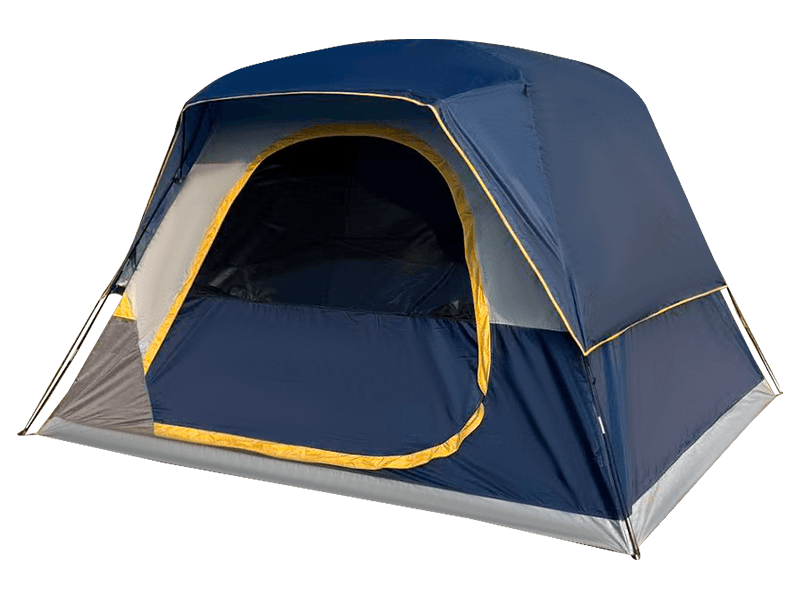
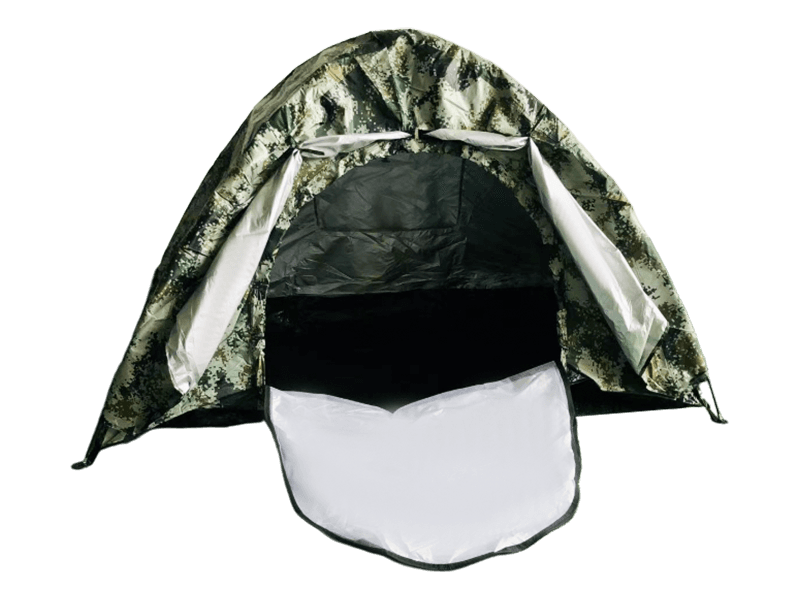
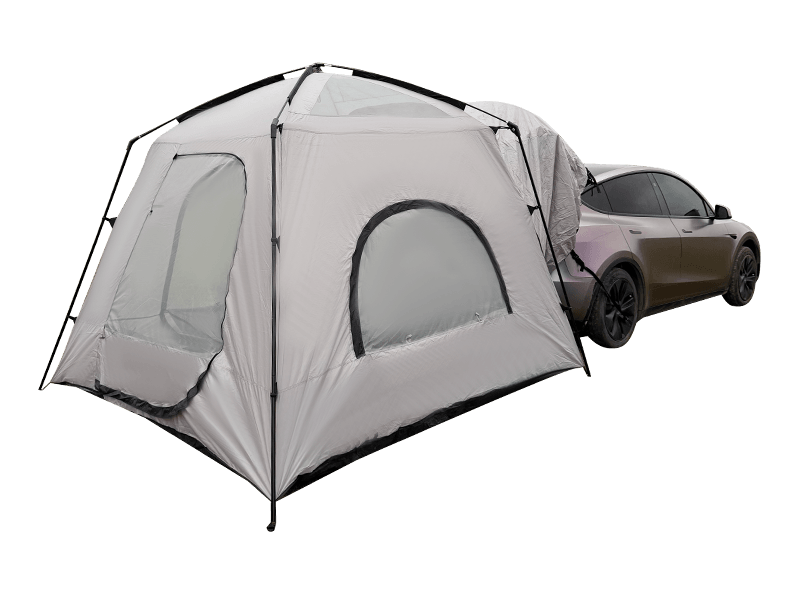
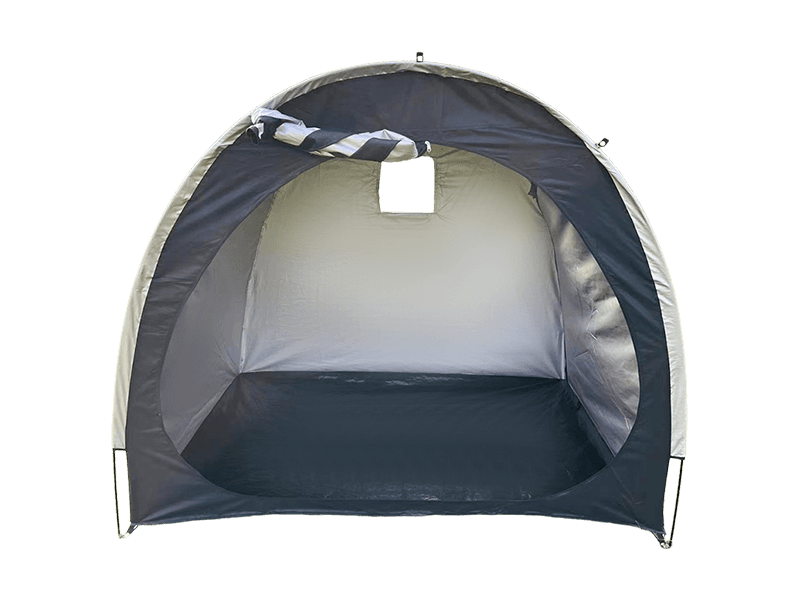
Your tent is the foundation of the whole experience. Before you buy or borrow one, consider three things: the number of people who'll sleep in it, the type of weather you expect, and how far you'll need to carry it.
Tent sizing and seasons
Tents are sold in season ratings — 3-season tents handle spring through autumn and are the best choice for most beginners. They balance ventilation with weather protection at a reasonable weight. Four-season tents are heavier, sturdier structures built for snow and high winds — necessary for winter camping but overkill for a mild summer weekend.
A "2-person" label usually means two adults who don't mind being cozy. If you want real comfort, consider sizing up: a 3-person tent for two adults gives you space for gear and a bit of elbow room.
Look for a tent with a full-coverage rainfly — a separate waterproof layer that drapes over the tent body. Even in dry forecasts, condensation and surprise showers are common, and a rainfly keeps your sleeping area dry.
Freestanding vs. non-freestanding
Freestanding tents use poles to hold their shape without staking them into the ground, making setup much easier — especially on rocky or hard terrain. Non-freestanding designs save weight but require stakes and guylines tensioned correctly to stand up. For beginners, a freestanding tent is almost always the better choice.
Essential Camping Gear
Beyond the tent itself, a handful of items separate a comfortable night from a miserable one. Here's what belongs in every beginner's kit:
Selecting and Preparing Your Campsite
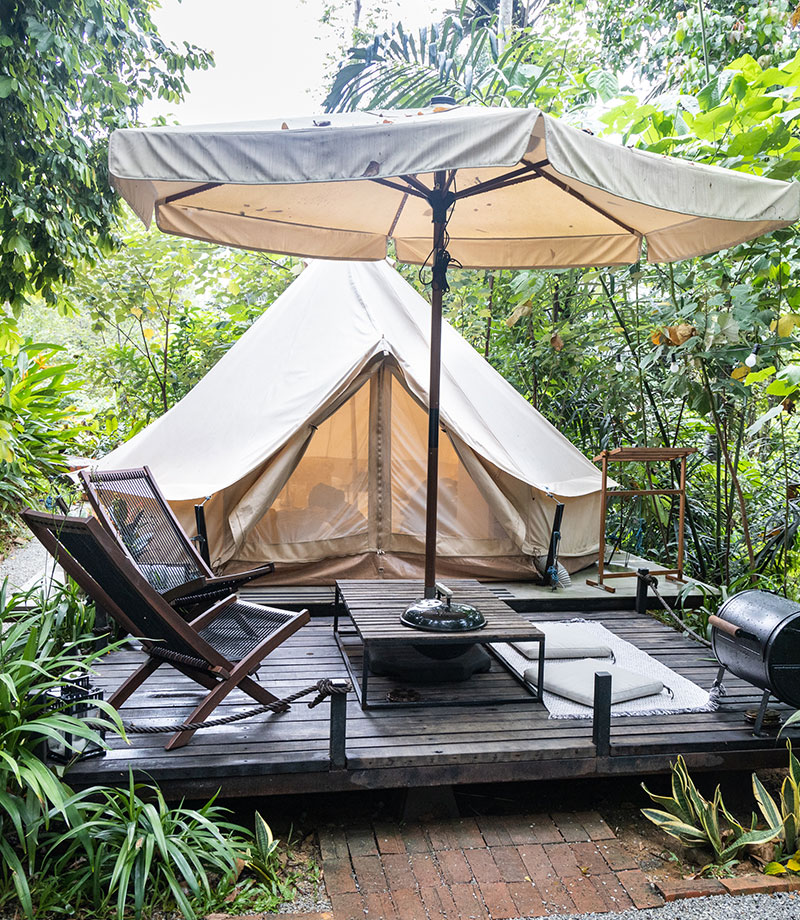
Where you pitch your tent can make or break a night's sleep. The best campsite isn't necessarily the most scenic one — it's the one that keeps you safe, dry, and in harmony with the environment around you.
Finding level ground
Look for a flat surface free of rocks, roots, and depressions. Even a subtle slope can have you sliding toward one wall of your tent all night. Before committing to a spot, lie down briefly to feel what you'll be sleeping on — a minute of scouting now saves hours of discomfort later.
Distance from water
Camping too close to streams, rivers, or lake edges invites several problems: flooding if rain raises water levels overnight, condensation that soaks your gear, and the insect activity that concentrates near water at dusk. Most established guidelines recommend camping at least 60 metres (200 feet) from any water source.
Never set up your tent or cook food in a dry riverbed or gully, even when conditions look clear. Flash floods can arrive with no local warning during storms happening kilometres away.
Natural shelter and wind direction
A slight ridge, a boulder, or a stand of trees on your windward side can dramatically reduce how cold and battered you feel during gusty nights. Position your tent door facing away from the prevailing wind, and use your rainfly's guylines to anchor the tent securely even on nights that start calm.
Pitching Your Tent: Step by Step
Setting up camp always feels awkward the first time, but the process becomes second nature quickly. Running through it at home before your trip is one of the best investments of 20 minutes you'll ever make.
- Clear the ground. Remove sticks, pinecones, and sharp objects from your footprint area. These will work through a groundsheet and into your sleeping pad over a long night.
- Lay down a footprint or groundsheet. A dedicated groundsheet sized to your tent protects the floor from abrasion and adds an extra barrier against moisture.
- Stake the corners. Before assembling poles, stake out the tent's four corners. This gives the structure correct tension as you raise it.
- Assemble and thread poles. Follow the colour-coded tabs or sleeves on your tent body. Snap pole sections together fully — a half-connected pole joint is a structural weak point.
- Attach the rainfly. Hook or clip the fly over the tent body and stake out its guylines, leaving a gap between the fly and the inner tent for ventilation.
- Tension and check. Walk around the tent and adjust stakes so the fabric is taut with no puddle-forming sags. A well-pitched tent sheds rain cleanly; a loose one pools water at seams.
Campfire and Cooking Safety
Food and fire are two of the great joys of camping — and two of the areas where things can go wrong most quickly. Good habits from the start will protect you, your campmates, and the landscape around you.
Building and extinguishing a campfire
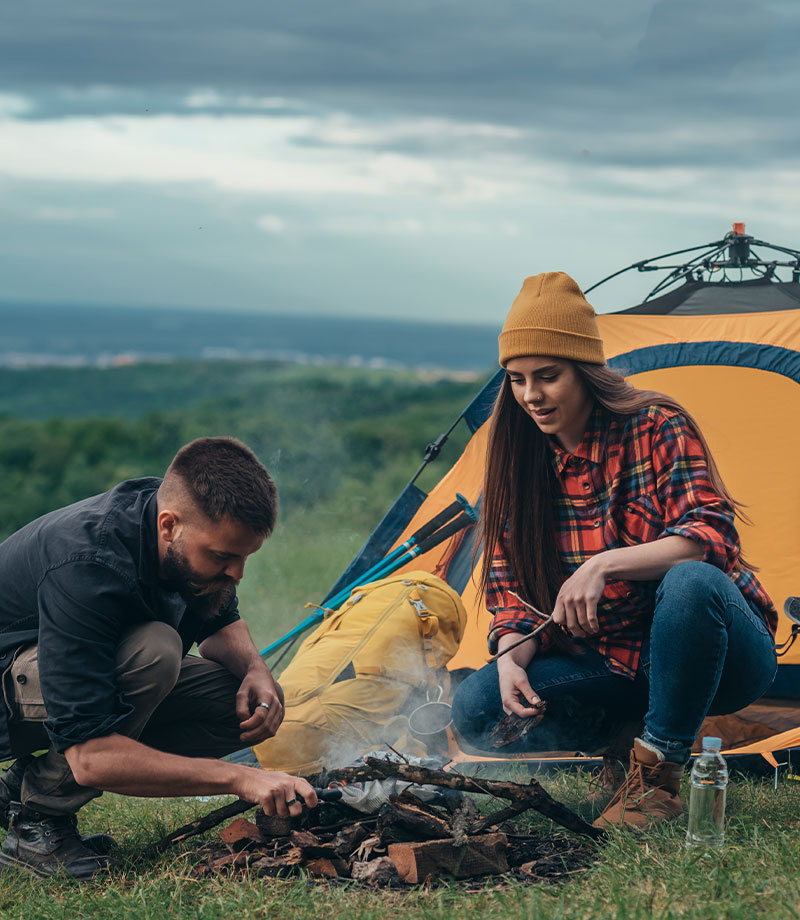
Use established fire rings wherever they exist — creating new ones scars the ground unnecessarily. Build fires small: a modest fire produces enough heat for cooking and warmth without the risk that comes with a bonfire. Never leave a fire unattended, even briefly. To extinguish it properly, pour water over every ember, stir the ash, and pour again until the bed is completely cold to the touch.
Check local fire regulations before you go — in dry conditions or designated wilderness areas, fires may be prohibited entirely. A camp stove is a cleaner, faster, and often legally required alternative.
Food storage and wildlife
One of the most important tent camping basics that beginners overlook: never store food, scented items, or cooking equipment inside your tent. This includes toiletries, sunscreen, and even lip balm — anything with a scent can attract wildlife ranging from mice to bears.
Use a bear canister if one is required in your area, or hang food from a tree branch at least 4 metres high and 2 metres from the trunk. At developed campgrounds, use the bear boxes provided. Keep your campsite clean and pack out all food waste.
Weather Awareness and Safety
The outdoors is rarely as predictable as the forecast suggests. Staying safe means knowing what signs to watch for and having a plan when conditions shift.
Reading the sky
Dark, anvil-shaped thunderheads building in the afternoon are the classic warning sign of afternoon storms in mountain environments — common in summer across many regions. If you hear thunder, begin descending from ridges or open terrain immediately. Lightning seeks the highest point, and an exposed ridgeline tent is exactly that.
Temperature drops at night
Temperatures in the mountains or desert can drop 15–20°C between afternoon highs and overnight lows. Always pack more insulation than you think you need. If you wake cold in the night, put on your hat — a significant portion of body heat escapes through the head.
Before You Leave: Quick Safety Checklist
- Tell someone your itinerary and expected return date
- Check weather forecast for your specific area, not just the nearest town
- Know the location of the nearest trailhead, road, and emergency services
- Charge all electronics; carry a battery pack
- Confirm fire bans and camping regulations for your destination
- Test all gear — especially your stove and headlamp — before leaving home
Leave No Trace Principles
Good campers leave a place better than they found it. The Leave No Trace framework distils outdoor ethics into seven simple principles that apply equally to a roadside campground and a remote backcountry wilderness:
- Plan ahead and prepare — Know the rules, pack the right gear, anticipate conditions.
- Travel and camp on durable surfaces — Stick to established trails and campsites to protect fragile ground cover.
- Dispose of waste properly — Pack out all rubbish; bury human waste in a cat hole 15–20 cm deep, 60 m from water and trails.
- Leave what you find — Resist the urge to collect rocks, flowers, or cultural artefacts.
- Minimise campfire impacts — Use a stove when fires are restricted; keep fires small where permitted.
- Respect wildlife — Observe from a distance, never feed animals, and store food securely.
- Be considerate of other visitors — Keep noise down, yield on trails, and preserve the quiet that draws people outdoors in the first place.
Building Confidence Through Preparation
Every seasoned camper was once a beginner staring at a pile of poles wondering which end goes where. Tent camping basics aren't complicated — they're just new. The most effective way to build confidence is to start close to home: a single-night trip at a well-serviced campground lets you test your gear, learn your setup, and sleep on real ground without being far from help if something goes wrong.
As you accumulate nights outdoors, the routines become effortless — pitching the tent, filtering water, reading the sky, packing out every scrap. What once felt like a daunting checklist becomes the quiet, deliberate rhythm of a night well spent outside. That's the real reward of learning to camp well: not just the views, but the self-reliance that comes with them.