

 English
 中文简体
中文简体



Content
- 1 What Does "Functional Tent" Actually Mean?
- 2 The Fabrics and Features That Do the Real Work
- 3 Functional Tents in Emergency and Relief Work
- 4 Sensory-Friendly and Special-Use Tents
- 5 Storage, Vehicle Protection, and Everyday Utility
- 6 A Buyer's Checklist for Functional Tents
- 7 Why Manufacturing Details Matter
- 8 Common Questions About Functional Tents
If you have ever spent a night in a tent while wind-driven rain hammered the walls, you already understand the difference between a tent that looks good in a catalog and a truly functional tent. The first one may be fine for a dry weekend. The second one keeps working when the weather changes, the ground is uneven, and everyone is tired. At DALRMEY, we have been making outdoor products since 2016, and we have learned that function is rarely about one dramatic feature. It is the quiet combination of fabric, frame, ventilation, and small details that make a tent genuinely useful.
What Does "Functional Tent" Actually Mean?
In the outdoor industry, the phrase functional tent can sound vague. For a family camper, it may mean a tent that goes up quickly and stays dry. For a relief worker, it may mean a shelter that can be deployed in large numbers and withstand repeated handling. For a festival organizer or a beach vendor, it may mean shade, airflow, and stability on soft ground. The common thread is purpose. A functional tent is designed around a specific job, not just a shape or a price point.
That is why two tents can look similar in photos but perform very differently after a season of use. The table below outlines some of the practical differences we see most often when comparing basic leisure tents with purpose-built functional tents.
| Consideration | Basic tent | Functional tent | Why it matters |
|---|---|---|---|
| Fabric | Standard polyester with light coating | Coated, UV-resistant, or waterproof fabric | Longer service life and a drier interior |
| Ventilation | One or two simple vents | Multi-point airflow and mesh panels | Reduces condensation and stuffiness |
| Setup | Traditional pole assembly | Quick-open, inflatable, or color-coded systems | Saves time and energy in bad weather |
| Weather protection | Light rain and calm conditions | Taped seams, storm flaps, reinforced corners | More confidence in changeable conditions |
| Intended use | General leisure | Task-specific, such as beach, vehicle, relief, or sensory use | Better match for the actual environment |
The Fabrics and Features That Do the Real Work
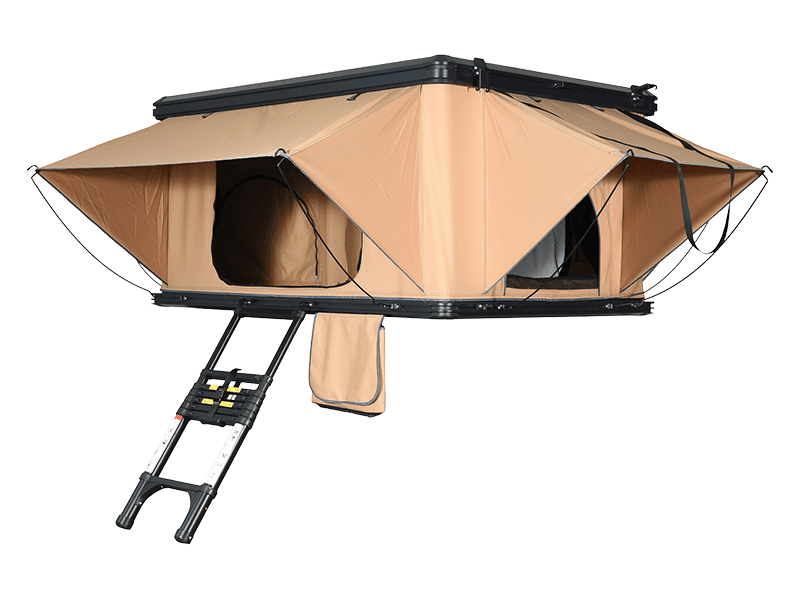
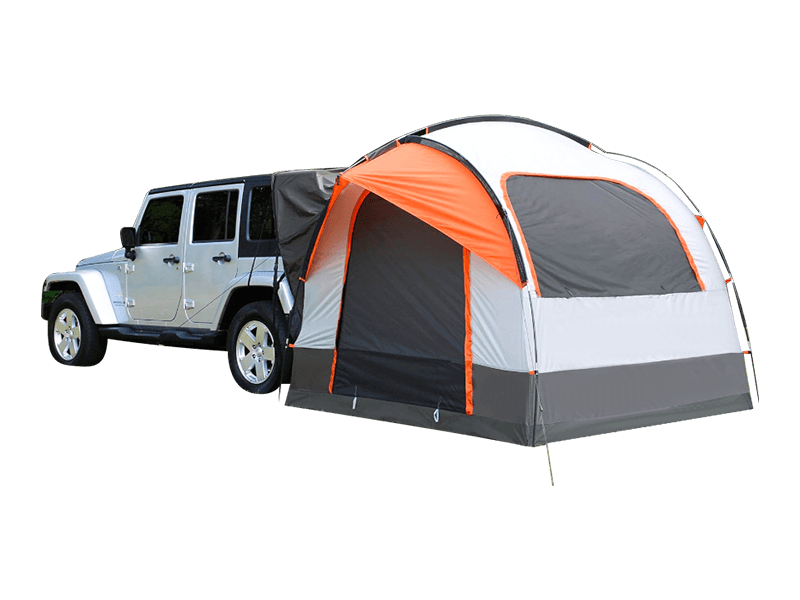
Modern functional fabrics have changed what a tent can do. A few years ago, many campers relied on an inner tent to manage condensation and temperature. Today, better coatings, tighter weaves, and more thoughtful airflow can reduce or even remove the need for a separate inner layer in some models. This is especially true for vehicle tents, rooftop tents, and quick-pitch shelters where weight and packed size matter.
Waterproofing is only one part of the story. A functional tent also needs to manage heat, humidity, and UV exposure. In hot coastal areas, reflective coatings and large mesh panels make a noticeable difference. In cooler or wet climates, seam sealing and a robust rainfly matter more. For off-grid users, durability under repeated packing and exposure to sun is just as important as staying dry on the first trip.
Structure deserves the same attention. Pole sleeves, clips, and reinforced stress points determine whether a tent feels solid after twenty setups. Some modern shelters use inflatable tent designs with air beams instead of metal poles, which can simplify setup and reduce packed weight. Others use quick-open frames for beach and event use, where speed and stability are the priority.
Functional Tents in Emergency and Relief Work
Relief shelters are one of the clearest examples of function over fashion. They need to be packed, transported, and deployed quickly, often by people who are not professional campers. They also need to provide privacy, weather protection, and a sense of stability in difficult conditions. For this reason, relief tents usually favor strong fabrics, simple frame systems, and clear setup instructions over lightweight styling.
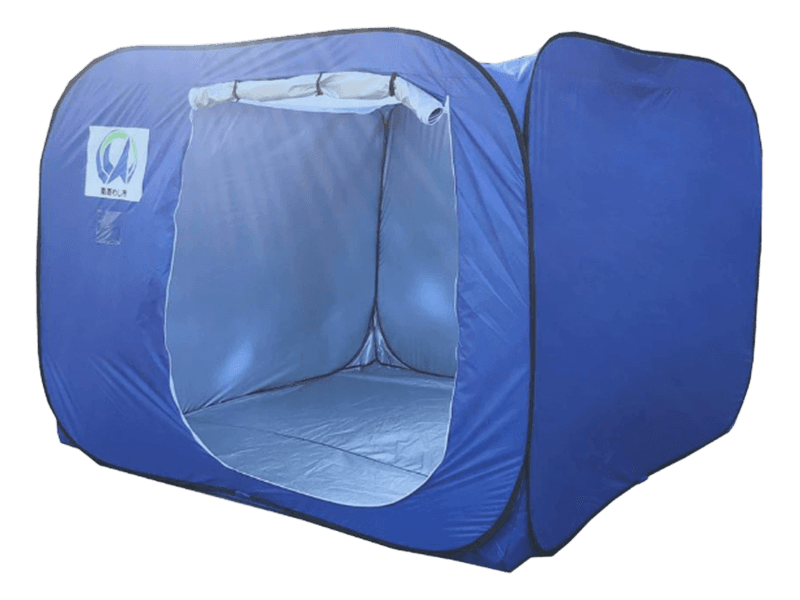 Disaster Relief Tents for Emergency Response and ResettlementHigh-strength waterproof tents with quick deployment, arched wind stability, ventilation, and multi-person capacity for emergency response and post-disaster resettlement.View Product →
If you are sourcing for emergency response, it helps to think about storage life, repairability, and how the tent performs when it is pitched on hard ground or in strong wind. Those details are not glamorous, but they are exactly what makes a shelter reliable when it is needed most.
Sensory-Friendly and Special-Use Tents
Not every functional tent is built for survival or camping. Some are designed to create a calm, controlled space. A sensory-friendly tent, for example, can offer a quieter retreat in a busy classroom, clinic, or home. The fabric, color, and size all matter because the goal is comfort rather than expedition performance. These tents often include softer tones, fewer visual distractions, and easy access.
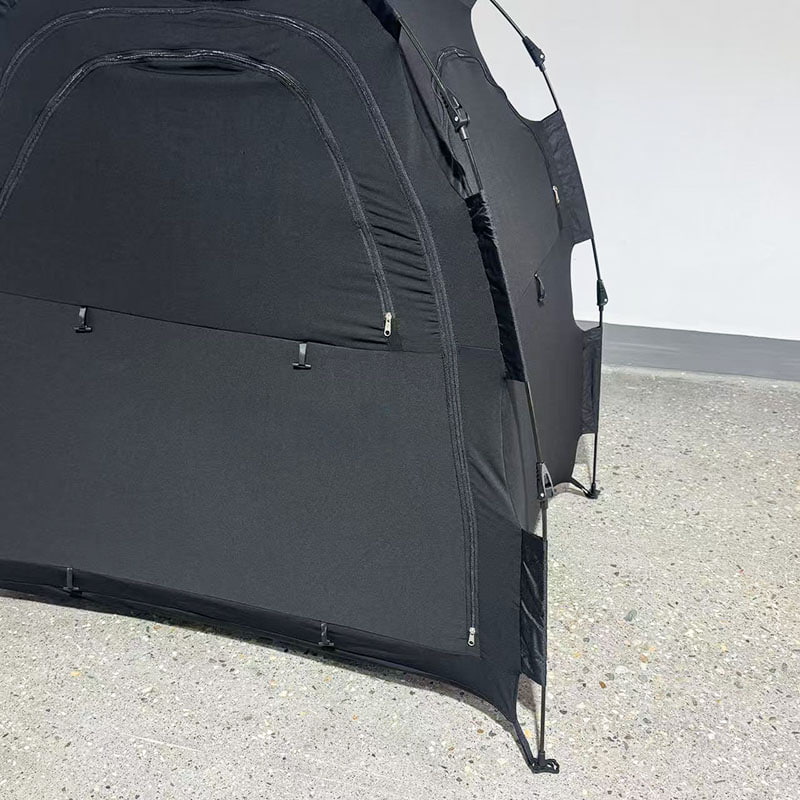 Autism-Friendly Sensory Tent for Calm and QuietSoft, soundproofed sensory tent with soothing colors and skin-friendly fabric, creating a calm retreat for home, classroom, or rehabilitation settings.View Product →
We have seen how a well-designed quiet space can help a child or adult regulate their environment. That is a different kind of function, but it is no less important. It shows how the same basic product category can serve very different human needs.
Storage, Vehicle Protection, and Everyday Utility
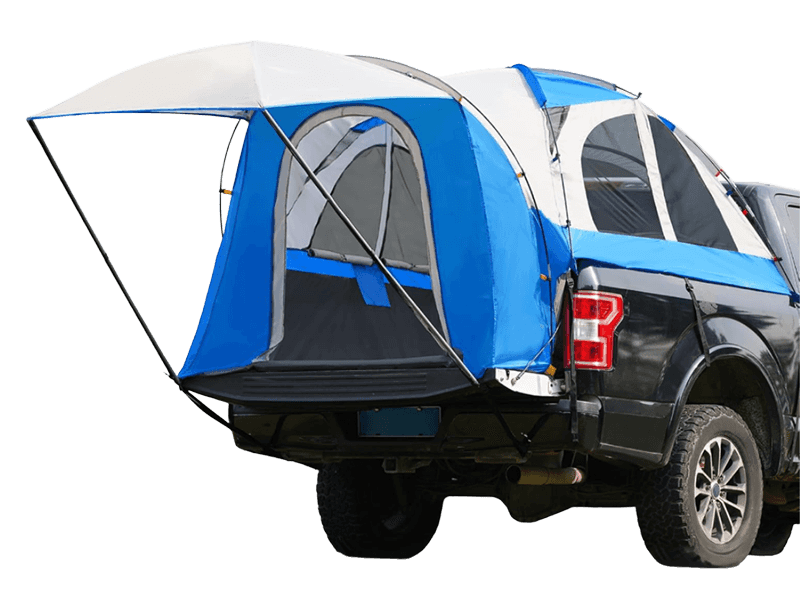
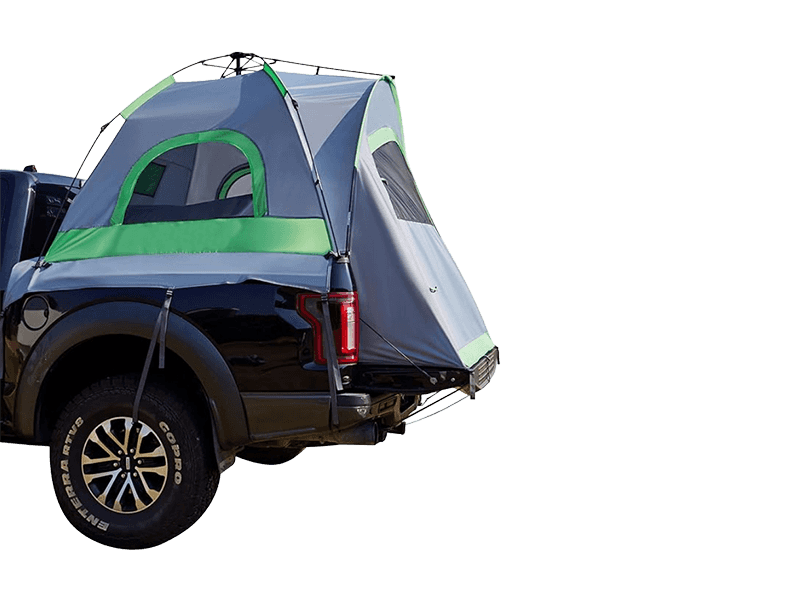
Functional tents are not always for sleeping. Rainproof storage tents protect tools, garden equipment, bicycles, or other outdoor items from weather and dust. Car shelter tents do the same for vehicles, which is useful when parking is limited or when a car is kept outside for long periods. These products need to be easy to open, secure in wind, and simple to store when not in use.
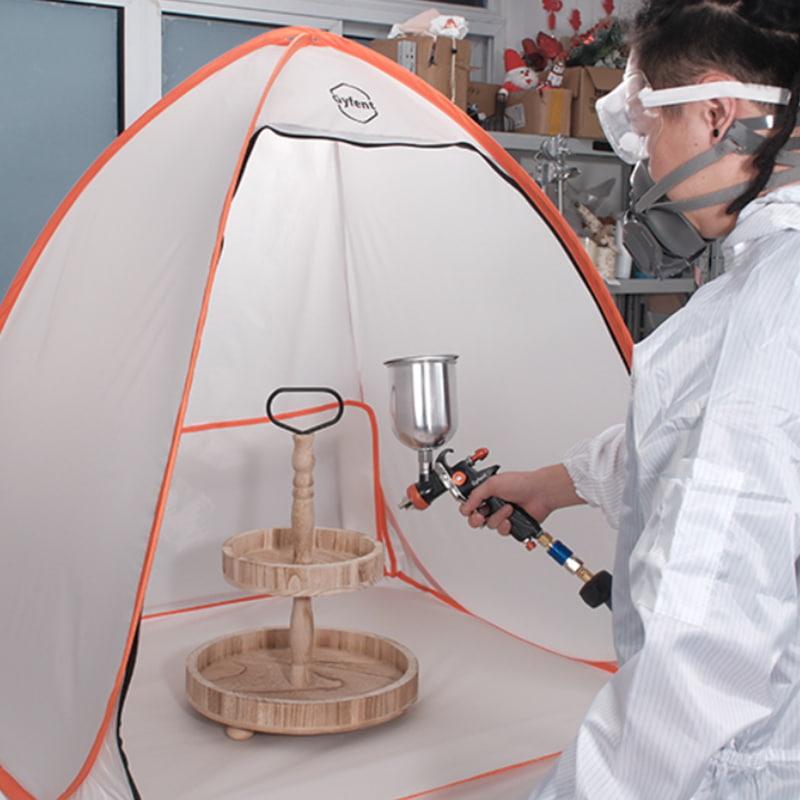 Portable Pop-Up Spray Paint Tent with VentilationA compact pop-up spray booth for painting small furniture, crafts, and auto parts, with front access, rear ventilation, and easy storage.View Product →
For a small business, a farm, or a household with limited indoor space, this type of tent can be more practical than a permanent structure. The key is to match the size and opening style to what you need to store and how often you need access.
A Buyer's Checklist for Functional Tents
When you compare options, it helps to look beyond the first photo. Use this checklist to ask better questions and avoid surprises after delivery.
- Start with the climate and exposure. Will the tent face strong sun, heavy rain, wind, sand, or snow?
- Check the fabric and coating. Ask about waterproof rating, UV treatment, and whether the material stays flexible in cold weather.
- Look at seams and zippers. Taped seams, storm flaps, and quality zippers often separate a durable tent from a disposable one.
- Study ventilation. Mesh panels, roof vents, and adjustable openings reduce condensation and improve comfort.
- Test the setup logic. Quick-open frames and color-coded poles help, but the best system is the one your users can manage.
- Confirm dimensions and packed size. A tent that is too small or too bulky will not be used, no matter how good it looks.
- Ask about replacement parts. Poles, pegs, and rainflies should be available if something is damaged.
- Match the tent to frequency of use. Occasional use allows simpler materials, while daily or seasonal use demands more robust construction.
Why Manufacturing Details Matter
Function is built on the factory floor, not in a marketing slogan. At DALRMEY, our team works from a factory in Shaoxing, China, with more than 6,000 square meters of production space. We support OEM and ODM projects, ready-to-ship orders, drawing-based customization, and sample development. Our designers and quality control staff focus on tents and umbrellas, which means we spend our time solving practical problems: how a seam behaves after folding, how a frame handles wind, how a coating ages under sun.
We have shipped outdoor products to customers in more than 60 countries, including the United States, South Africa, Australia, Spain, Malaysia, the Philippines, Thailand, and Italy. That experience has taught us that a functional tent is never just a product specification. It is a set of decisions about materials, construction, and intended use. When those decisions are made carefully, the result is a tent that people trust.
Common Questions About Functional Tents
Are functional tents only for camping?
No. They are used for beach shade, emergency relief, vehicle protection, storage, exhibitions, and sensory-friendly spaces. The common factor is a clear purpose.
Does a functional tent need to be expensive?
Not necessarily. Cost usually comes from fabric quality, seam sealing, frame design, and testing. A simple tent can be functional if it is well matched to its job.
How can I tell if a tent is truly functional?
Ask about the coating, seams, ventilation, setup method, and packed size. A supplier who can explain those details clearly is usually a good sign.
A functional tent is not defined by a single label. It is defined by how well it serves the person using it. Whether you need a shelter for relief work, a quiet sensory space, a storage solution, or a reliable camping tent, the right design will make the difference between an object and a tool. If you are sourcing functional tents or trying to solve a specific outdoor problem, we are always glad to talk through options and share what we have learned.