

 English
 中文简体
中文简体

Content
The night you spend slapping at your own ankles is usually the night one small gap defeated every gadget you own. Keeping mosquitoes away after dark works well as a layered defense: keep them out of the space with physical barriers, keep air moving with a fan, and treat exposed skin with a repellent that has real staying power. Candles, potted plants and scented tricks can support those layers, but they should not be the plan.
Timing matters just as much. The mosquitoes that ruin evenings are mainly crepuscular, meaning they are most active at dusk and dawn, and several common species keep feeding straight through the night. Warm, humid, still air after sunset suits them well: low wind lets them fly a straight line, and they home in on the carbon dioxide you exhale, your body heat, and the compounds in fresh sweat. If you wake up with a new bite, something got through every layer, so it is worth finding the gap instead of simply adding another candle.
Why Mosquitoes Get Worse After Dark
Many of the species that bite people, including Culex and Anopheles mosquitoes, feed from dusk onward, while the day-biting Aedes types still linger around twilight. Two physical facts make the night their winning hours. First, their flight is slow, roughly 1 to 1.5 miles per hour, so any steady breeze scrambles their approach. Second, evenings are when people gather, exhale and sweat in one spot, creating a reliable scent trail.
Population pressure is set long before sunset, though. Mosquitoes breed in standing water, and a container the size of a bottle cap can be enough for eggs to hatch, with larvae developing into biting adults in about a week in warm weather. That is why many effective households and campgrounds treat every evening as part of a weekly cycle, not a one-off battle.
Seal the Sleeping Space Before Anything Else
Screens and nets do the heavy lifting
Standard window screen mesh runs about 18 by 16 threads per inch, fine enough to stop mosquitoes while letting air through. Walk the bedroom once a week in season: check for tears, gaps around frames and worn door sweeps. In areas with heavy pressure, a bed net tucked under the mattress and checked for holes is cheap insurance, especially for children and anyone who sleeps with a window open.
Put a fan where you sleep
A box fan or ceiling fan set to a steady flow does three jobs at once: the moving air makes approach difficult for such a slow flier, it disperses the carbon dioxide plume you exhale, and it keeps skin cooler and drier so you produce less of the sweat compounds mosquitoes follow. This is an underrated fix for a mosquito-tormented bedroom, and it costs little to run.
Cut the attractants before bed
Shower to remove the day's sweat, skip heavily scented lotions and perfumes in the evening, and wear loose, long pajamas. Mosquitoes can bite through fabric pressed tight against skin, so a loose weave with a little air gap protects better than a tight sleeve.
Taking Back the Evening Outdoors
Work around dusk and light the space wisely
The peak feeding window runs from about half an hour before sunset to a couple of hours after. If the terrace gets used then, protection has to be on before you sit down. For lighting, warm-white or yellow bulbs tend to attract fewer insects than bright, cool-white light, and lamps placed at the edge of a space can pull insects away from the table instead of over it.
Do a five-minute water sweep in the evening
Empty plant saucers, buckets, toys and tarps sagging with rain, refresh pet bowls and birdbaths every two to three days, and keep gutters moving. This helps break the breeding cycle where it starts, and a few weeks of consistency can visibly thin the night-time population.
Give the campsite a sealed sleep space
At the campsite, the same barrier logic applies: zip the mesh doors closed before dusk, keep the vestibule zipped when the light is on inside, and try to avoid opening the tent for a quick look during the night. A dome tent with full mesh doors and a sewn-in floor handles much of this quietly.
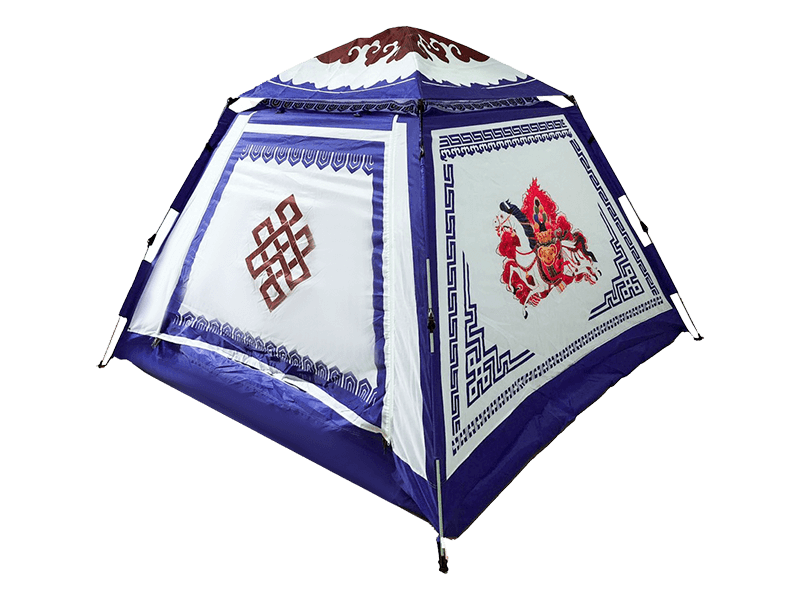
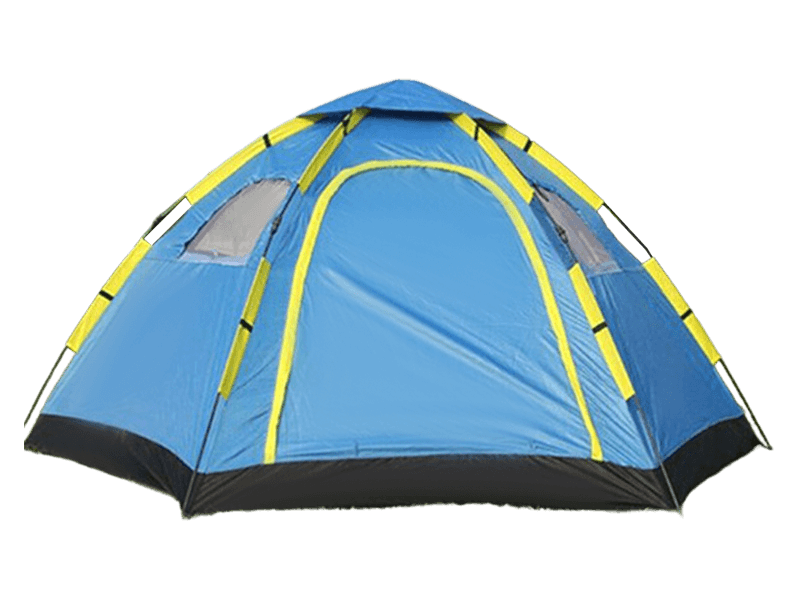
 Dome-Shaped Easy-Setup Camping Tent for 3 to 8 PeopleThis blackout dome tent offers strong UV protection, full mesh doors and windows, a sewn-in floor, and a 2000mm waterproof coating. It fits the article's campsite routine of keeping insects out while staying comfortable overnight.View Product →
For family trips, a dome-shaped, easy-setup camping tent sized for three to eight people covers many common cases: the mesh inner keeps insects out, the sewn-in floor leaves little gap where the floor meets the ground, and the fly helps seal things when the dew falls.
What Actually Keeps Mosquitoes Out of a Tent
We manufacture tents and parasols in Shaoxing and ship them to buyers in more than 60 countries, and the questions buyers ask often come back to the same three construction details:
- Mesh grade: no-see-um mesh is woven tighter than standard window screen, which matters because very small biting insects can exploit anything coarser.
- Floor design: a bathtub-style floor that rises several inches up the walls, ideally with an integrated ground mat, leaves little gap where the floor meets the ground.
- Zippers and flaps: sturdy coil zippers with storm flaps over the mesh help keep the barrier intact at its most used points.
Ventilation without exposure
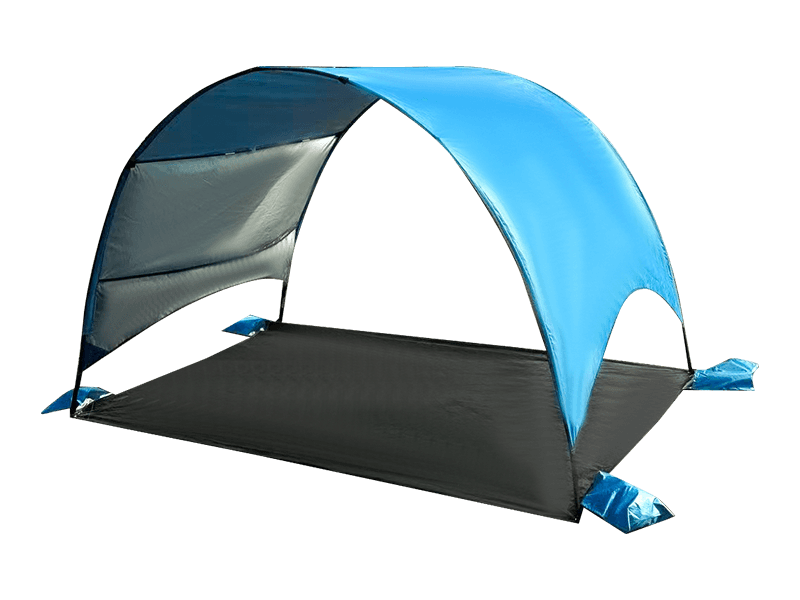
Hot, humid nights tempt people to sleep with the doors open, and that is often how bites happen at two in the morning. Shelter with three-sided ventilation keeps air crossing the sleeping area while the mesh stays closed, which is the idea behind a design like our lightweight, three-sided ventilated beach tent.
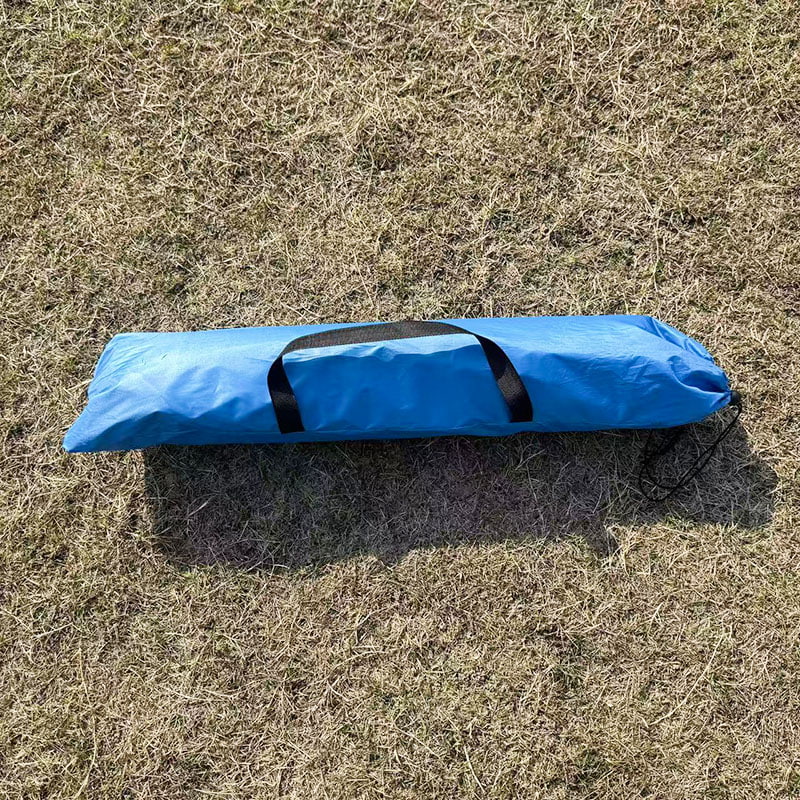 Lightweight Three-Sided Ventilated Beach TentBuilt with a lightweight aluminum frame, UPF 50+ silver-coated fabric, and ventilation on three sides, this beach tent keeps air moving while mesh stays closed—in line with the barrier logic the article recommends for hot, buggy nights.View Product →
Road trips and car camping
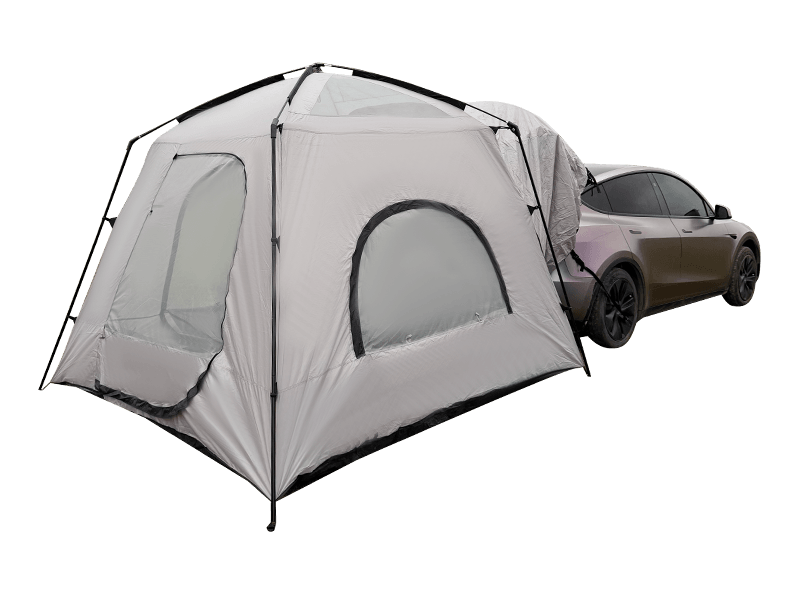
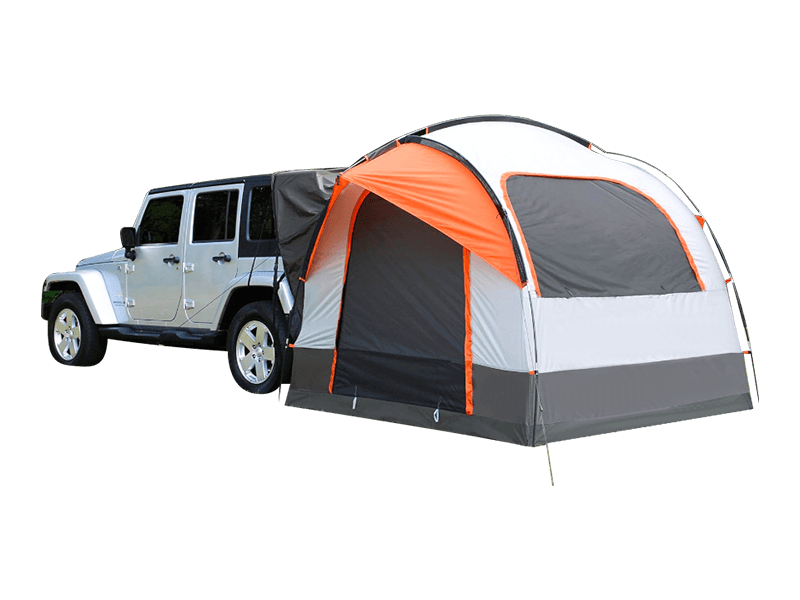
Vehicle-mounted shelters raise the sleeping area off the damp ground and let the car cabin act as a staging space, so a late-night exit does not mean unzipping the whole shelter into the dark. For SUV trips, a waterproof and sun-resistant car camping tent turns the vehicle into part of the sleeping arrangement.
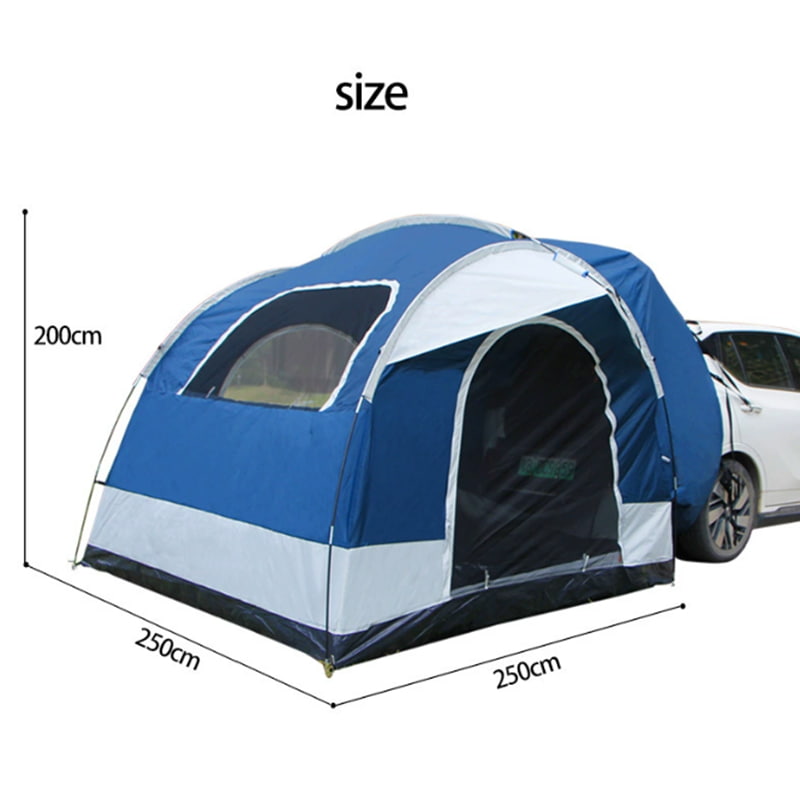 Waterproof and Sunproof SUV Car Tailgate Camping TentThis SUV tailgate tent sets up in minutes with tear-resistant, waterproof, UV-blocking fabric and direct vehicle access. It suits the article's point of keeping sleeping areas off damp ground and away from nighttime insects.View Product →
Setup speed matters at dusk
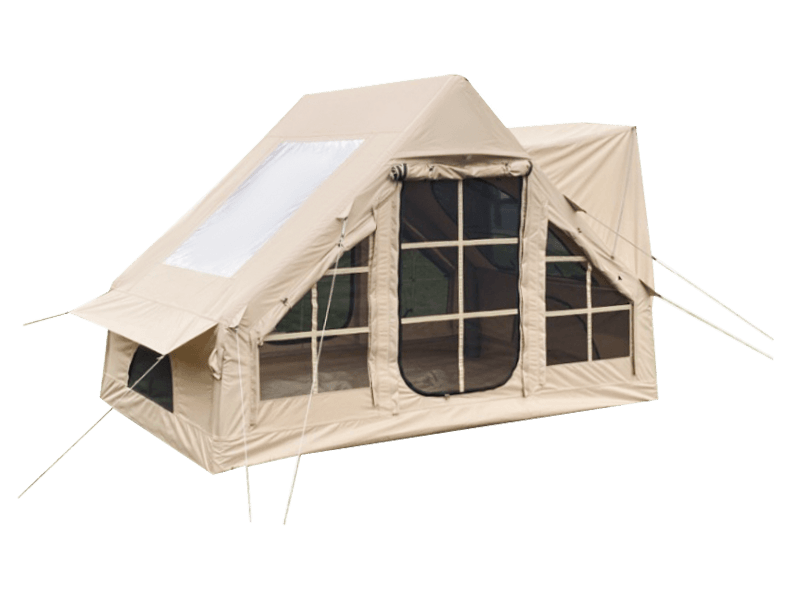
Fumbling with pole sleeves as the light fades means setting up during peak feeding time. Quick-setup and inflatable designs cut that window to minutes; if you are weighing options, our guide to what inflatable tents are explains how they hold up as family shelters.
Repellents Worth Applying After Dark
Three active ingredients have a strong track record for evening protection. DEET at 20 to 30 percent gives roughly five to eight hours of coverage. Picaridin at around 20 percent performs comparably with less grease and odor. Oil of lemon eucalyptus, with PMD as the active compound, protects for up to about six hours but is not recommended for children under three. Apply to exposed skin and reapply according to the label, especially after swimming or heavy sweating.
Permethrin belongs on clothing and gear, not on skin. Treating outer layers pays off on windless nights when mosquitoes land on sleeves and trousers first. As for the natural shelf: citronella, lavender and similar oils do repel in laboratory tests, but they evaporate from skin within an hour or two, and a candle protects a radius of little more than an arm's length in still air. Enjoy them for the atmosphere, and lean on the mesh, the fan and the skin repellent for the core defense.
How the Main Methods Compare
| Method | What it does | Night reliability | Best for |
|---|---|---|---|
| Sealed shelter with fine mesh | Physically excludes mosquitoes | High when there are no gaps | Camping, bedrooms, netted patios |
| Fan airflow | Disrupts flight and disperses carbon dioxide | High in enclosed spaces | Bedrooms, verandas, tent interiors with safe placement |
| DEET or picaridin on skin | Blocks the scent sensors mosquitoes use to find you | High for hours per dose | Any exposure around dusk |
| Oil of lemon eucalyptus | Plant-based repellent with several hours of cover | Moderate to high | Lighter-duty evenings, adults and older children |
| Citronella candles and plants | Mask scent in a small radius of still air | Low beyond arm's length | Ambience at a small table |
| Removing standing water | Stops larvae from developing into adults | High over several weeks | Gardens, courtyards, campgrounds |
A Practical Night Routine
- Late afternoon: walk the space and dump standing water from containers.
- Before sunset: close and check screens, or zip the tent mesh shut.
- Set the fan running, whether that is a ceiling fan in the bedroom or a small battery fan inside the mesh.
- Shower, skip scented products, and put on loose, long layers.
- Apply repellent to exposed skin at dusk and reapply as the label directs.
- Switch to warm-colored lamps placed at the edge of the space rather than over the table.
- Morning: if you were bitten anyway, hunt for the gap, because a bite means a layer failed.
No single trick survives a whole season, and a reasonable answer to mosquitoes after dark is a short list used together: a barrier with few gaps, moving air, a repellent with proven actives, and water discipline in the weeks before. Everything else is garnish. Get those four right and the nights tend to get quiet again.
If you are outfitting a garden, a campsite or a retail range, you can explore our full range of tents and parasols on the DALRMEY homepage.