

 English
 中文简体
中文简体
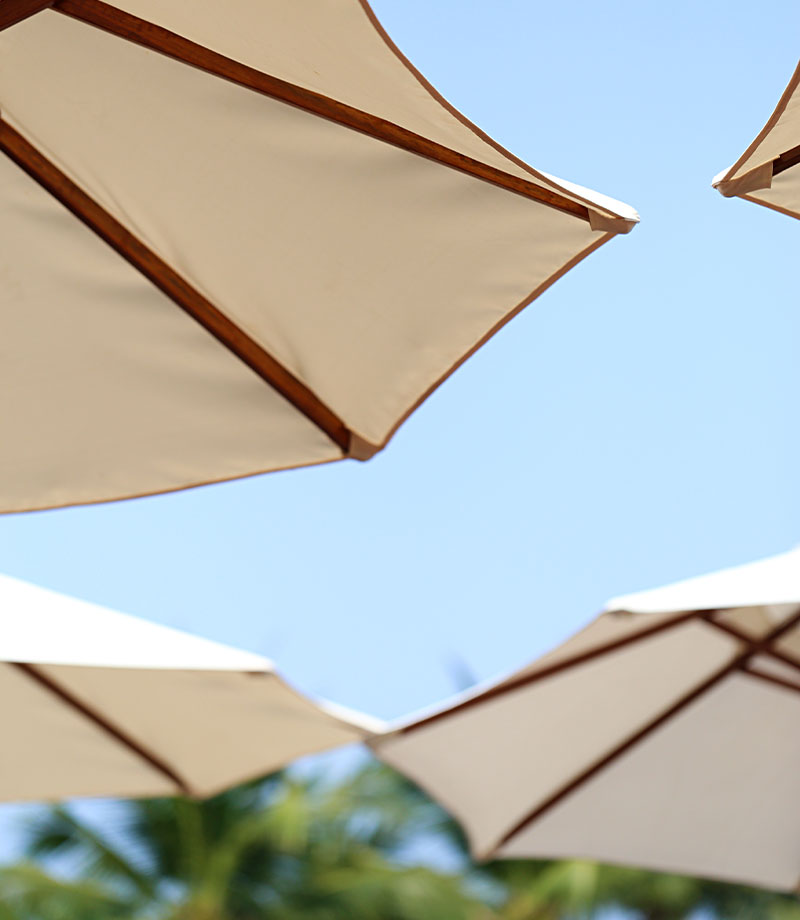
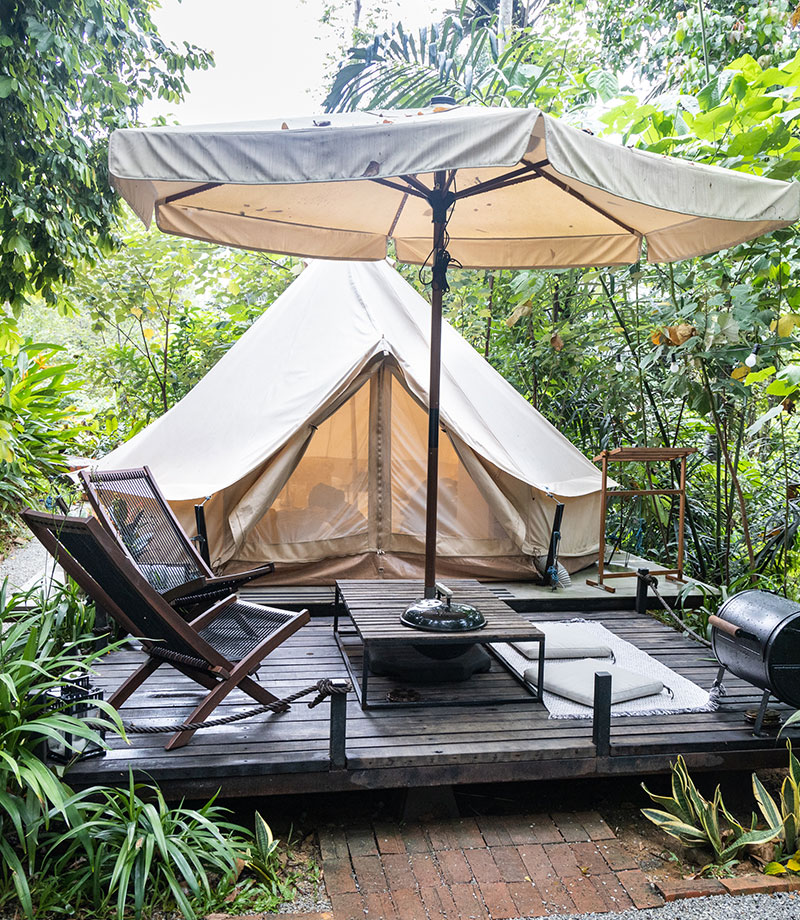
Outdoor events, trade shows, and promotional campaigns expose equipment, products, and people to long hours of direct sunlight. A UV-resistant exhibition canopy has become a foundational piece of equipment for organizations that operate outdoors regularly, offering dependable shade while preventing the fabric damage that ordinary canopies suffer after only a few months of sun exposure. This guide explores the materials, construction methods, selection criteria, and care practices that determine how well a canopy performs over its lifetime.
Understanding UV-Resistant Exhibition Canopies
A UV-resistant exhibition canopy is a fabric shelter structure engineered specifically to withstand prolonged exposure to ultraviolet radiation without losing its color, strength, or shape. While any tent or tarp can technically block some sunlight, only canopies built with UV-stabilized fabrics or protective coatings are designed to resist the cumulative damage that sunlight causes over months and years of outdoor use.
These structures are commonly deployed at exhibitions, conventions, outdoor retail pop-ups, sporting events, and corporate activations. In each of these settings, the canopy is expected to perform consistently across dozens of setups, often in regions with intense seasonal sunlight.
How Ultraviolet Radiation Damages Standard Canopies
Without specialized protection, canopy fabrics undergo a predictable cycle of degradation when exposed to UV rays over time. Understanding this process helps explain why UV resistance is not simply a marketing feature but a functional necessity.
- Polymer chains within the fabric begin to break down, leading to brittleness
- Dyes and pigments fade unevenly, creating a patchy or washed-out appearance
- Protective coatings crack and peel away from the base fabric
- Seams weaken as stitching threads degrade under sun exposure
- Heat retention increases as surface materials lose reflective properties
These issues compound quickly in regions with high UV indexes, meaning untreated canopies may need replacement within a single season of heavy outdoor use.
Core Materials Used in UV-Resistant Canopy Construction
Polyethylene Coated Polyester
This material combines a polyester base with a polyethylene coating infused with UV stabilizers. It is valued for its affordability, water resistance, and consistent performance across a wide range of climates.
PVC-Coated Polyester
PVC coatings create a thick, dense barrier against both moisture and ultraviolet rays. Canopies using this material tend to be heavier but offer superior durability for exhibitors who set up and tear down frequently.
High-Density Polyethylene Mesh
HDPE mesh fabrics are woven rather than solid, allowing airflow to pass through while still blocking a substantial percentage of UV rays. This makes them especially useful in hot, humid climates where ventilation reduces heat stress.
Acrylic-Coated Canvas
Acrylic coatings are known for excellent color retention and a more premium appearance, often chosen for canopies used in branding-heavy environments such as corporate exhibitions.
Vinyl Laminate Fabrics
Vinyl laminates offer one of the highest levels of UV blockage available, often exceeding ninety percent ray reduction, making them suitable for extreme sun exposure environments.
Comparing UV-Resistant Canopy Materials
| Material | UV Protection Level | Weight | Best Use Case |
|---|---|---|---|
| Polyethylene Coated Polyester | Moderate to High | Light | General exhibitions, frequent travel |
| PVC-Coated Polyester | High | Heavy | Long-term outdoor installations |
| HDPE Mesh | Moderate | Light | Hot climates needing ventilation |
| Acrylic-Coated Canvas | High | Medium | Premium branding displays |
| Vinyl Laminate | Very High | Heavy | Extreme sun exposure regions |
Key Benefits of Investing in a UV-Resistant Canopy
Longer Operational Lifespan
UV-stabilized materials resist the breakdown process that causes ordinary fabrics to weaken, allowing canopies to remain functional through many more setup cycles before replacement becomes necessary.
Stable Visual Presentation
Because fading and discoloration are minimized, printed graphics, logos, and brand colors remain sharp and consistent across every event, which matters significantly for companies relying on visual identity.
Reduced Heat Buildup
Many UV-resistant fabrics also reflect a portion of infrared heat, helping keep the space underneath cooler and more comfortable for staff and visitors during long event hours.
Lower Long-Term Costs
Although UV-resistant canopies may carry a higher upfront price, the extended lifespan typically results in lower total costs compared to repeatedly replacing cheaper, untreated alternatives.
Better Health Protection
Reducing direct UV exposure helps protect the skin and eyes of staff members who may spend entire days working under the canopy during outdoor events.
Structural Components That Support UV Performance
The fabric itself is only part of the equation. The overall canopy structure also plays a role in how well UV protection holds up over time.
Frame Material
Aluminum frames resist corrosion and pair well with UV-resistant fabrics, while steel frames offer additional strength for larger canopy spans, though they require rust prevention coatings in humid environments.
Seam Construction
Double-stitched or heat-sealed seams prevent micro-tears that can allow UV rays and moisture to penetrate weak points in the fabric over time.
Tensioning Systems
Proper tensioning keeps the fabric taut, reducing flapping in wind that can accelerate wear at stress points and shorten the effective lifespan of UV coatings.
Choosing the Right UV-Resistant Canopy for Your Needs
Assess Your Climate
Regions with intense, year-round sun exposure require higher UV block percentages compared to areas with more moderate or seasonal sunlight patterns.
Consider Event Frequency
Organizations that use canopies weekly need more durable materials and reinforced frames compared to those hosting only a few outdoor events per year.
Evaluate Portability Requirements
If transport and setup speed are priorities, lighter materials such as coated polyester may be preferable over heavier vinyl laminate options.
Review Customization Capabilities
Confirm whether the supplier can print directly onto UV-treated fabric without compromising the protective coating, since improper printing methods can reduce UV performance.
Check Warranty Terms
A manufacturer's warranty period often reflects their confidence in the UV resistance of their materials, making it a useful indicator of expected product longevity.
Maintenance Practices That Preserve UV Resistance
- Clean the canopy regularly with mild soap and water to remove dirt and debris that can trap heat against the fabric surface
- Allow the canopy to dry completely before folding or storing it to prevent mold growth and coating damage
- Store the canopy away from direct sunlight when not in use to extend the life of its UV treatment
- Inspect seams, coatings, and frame joints periodically for early signs of wear
- Apply manufacturer-approved UV protective sprays as part of routine upkeep when recommended
- Avoid using harsh chemical cleaners that can strip protective coatings from the fabric
Common Applications for UV-Resistant Exhibition Canopies
These canopies serve a broad range of outdoor functions, including trade show booths, farmers markets, sporting tournaments, product launch events, school and community festivals, and corporate brand activations. Their adaptability makes them suitable across both commercial and public-facing environments where reliable, long-lasting shade is required.
Frequently Asked Questions
How long do UV-resistant canopies typically last?
With proper care, most UV-resistant canopies last several years of regular outdoor use, though lifespan varies depending on material quality, climate intensity, and maintenance habits.
Can UV-resistant canopies still get hot underneath?
Some heat will always pass through fabric structures, but UV-resistant materials with reflective properties generally keep the interior noticeably cooler than untreated canopies.
Is higher UV protection always better?
Higher protection levels are beneficial in intense sun environments, but exhibitors should also balance protection with breathability and weight depending on their specific event needs.
Do printed graphics affect UV resistance?
Quality printing methods designed for UV-treated fabrics should not significantly reduce protection, but low-quality printing processes can compromise the coating over time.
A UV-resistant exhibition canopy represents a long-term investment in reliability, brand presentation, and the comfort of everyone working beneath it. By understanding the available materials, structural considerations, and proper maintenance routines, organizations can select a canopy that consistently performs well across years of outdoor exhibitions, regardless of climate or frequency of use.