

 English
 中文简体
中文简体
Content
- 1 Why Outdoor Living Shade Matters
- 2 Types of Outdoor Living Shade Structures
- 3 Comparing Shade Solutions at a Glance
- 4 Materials That Make the Difference
- 5 Planning Your Outdoor Shade Layout
- 6 Integration with Outdoor Living Design
- 7 7 Tips for Choosing the Right Outdoor Living Shade
- 8 Sustainability and Energy Savings
- 9 Bringing It All Together
- 10 Ready to Design Your Shaded Outdoor Space?
The right outdoor living shade solution transforms a sun-baked patio into a true extension of your home -- a cool, comfortable retreat where you can entertain, relax, and enjoy the outdoors without the glare and heat that make summer afternoons unbearable.
Whether you are designing a brand-new backyard or refreshing an existing deck, understanding your shade options is the first step toward creating an outdoor space that works for you year-round. From permanent pergola structures to flexible retractable awnings and portable sail shades, the market has never offered more well-engineered, attractive choices for every budget and lifestyle.
Why Outdoor Living Shade Matters
Sun exposure is the single greatest barrier to comfortable outdoor living during warmer months. Prolonged exposure to direct sunlight raises surface temperatures on decking and patio furniture to levels that make sitting outside genuinely uncomfortable, and excessive UV radiation is a recognized health risk. Strategic shade can reduce the ambient temperature of an outdoor area by as much as 10 to 15 degrees Fahrenheit, making a shaded patio feel comparable to an air-conditioned indoor room.
Beyond personal comfort, quality shade structures protect your investment in outdoor furniture, cushions, and decorative elements. UV light degrades fabric, fades wood finishes, and accelerates the deterioration of composite materials. A well-designed shade system extends the life of everything beneath it while simultaneously boosting the usability and resale appeal of your property.
Studies in residential real estate consistently show that a well-designed outdoor living area -- including functional shade -- can increase a home's perceived value by up to 10 percent and significantly reduce the number of days a listing spends on the market.
Types of Outdoor Living Shade Structures
No single shade solution suits every home, every climate, or every aesthetic. The categories below represent the most popular and proven approaches, each with its own strengths.
Pergolas and Shade Sails
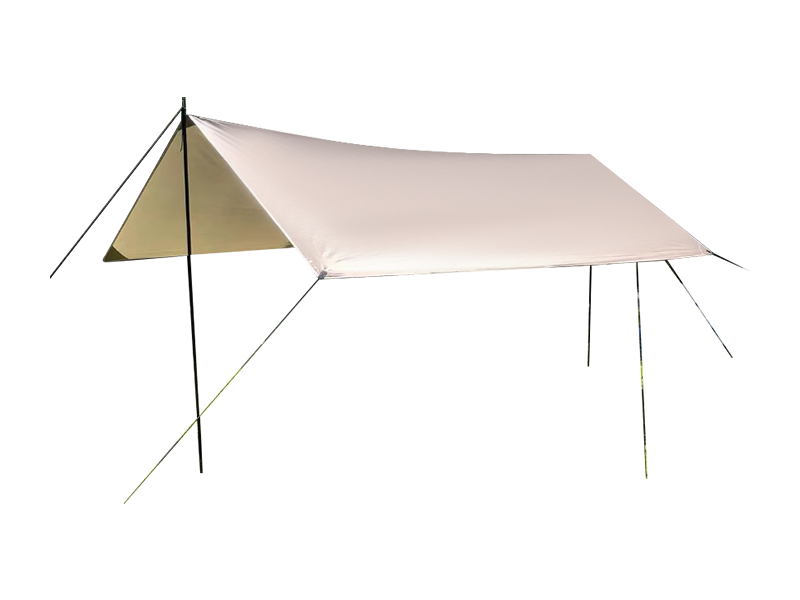
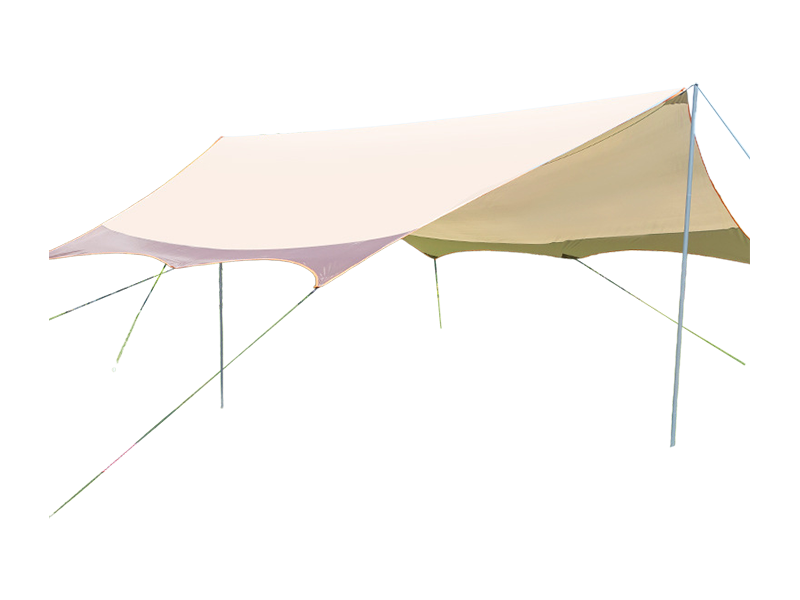
Pergolas are among the most architecturally satisfying shade solutions available. Built from wood, aluminum, or vinyl, a pergola creates an open lattice overhead that filters sunlight while maintaining an open, airy feel. Modern pergolas often include motorized louvered roofs that can be adjusted to allow full sun, partial shade, or complete cover at the touch of a button. Shade sails, by contrast, are tensioned fabric panels anchored between multiple fixed points. They are cost-effective, available in a wide range of colors and shapes, and can be combined to cover large irregular areas that a single rigid structure could not accommodate.
Retractable Awnings
Retractable awnings attach directly to an exterior wall and extend outward over a patio, deck, or doorway. When the sun is not a concern -- or when rain threatens -- they fold back flush against the house, leaving the outdoor area completely open. High-quality motorized awnings feature sensors that automatically retract the fabric in strong winds, protecting both the awning and the structure it is mounted on. Fabric options range from solution-dyed acrylic, which resists fading and mildew, to woven mesh materials that filter light while allowing air circulation.
Shade Structures and Gazebos
A freestanding gazebo provides a fully enclosed overhead structure, typically with a solid roof of shingles, metal, or polycarbonate panels. Gazebos define a specific outdoor room within a larger yard and can be fitted with curtain panels, mosquito netting, or even glass enclosures for year-round use. More modest freestanding shade canopies -- sometimes called market or cantilever umbrellas scaled up to structure size -- offer a middle ground between a portable umbrella and a permanent build.
Patio Umbrellas
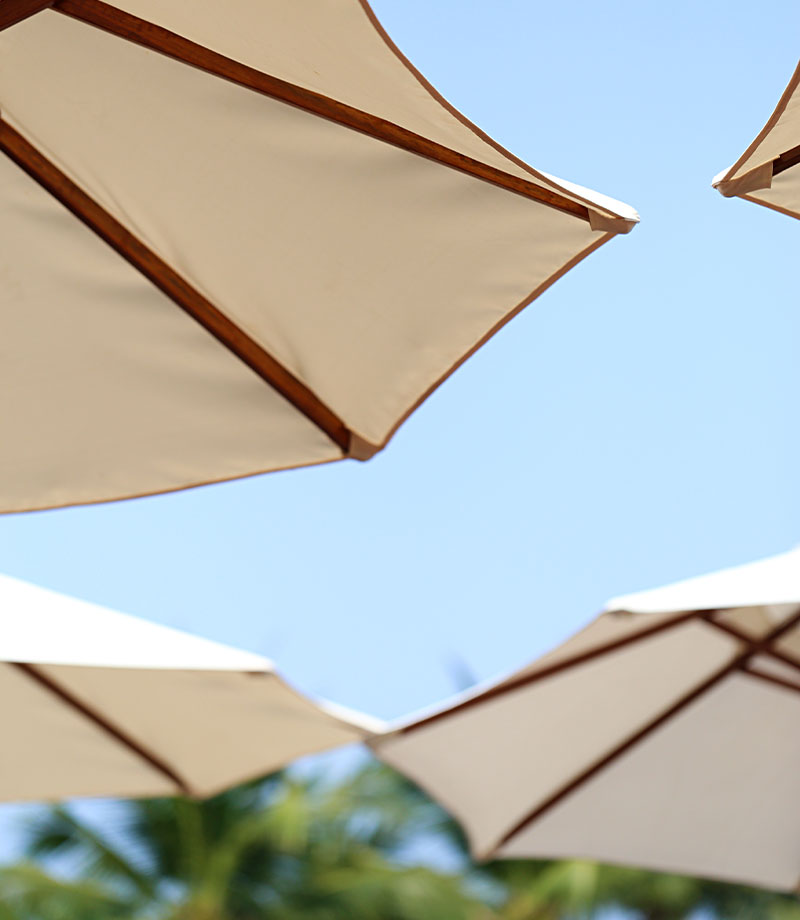
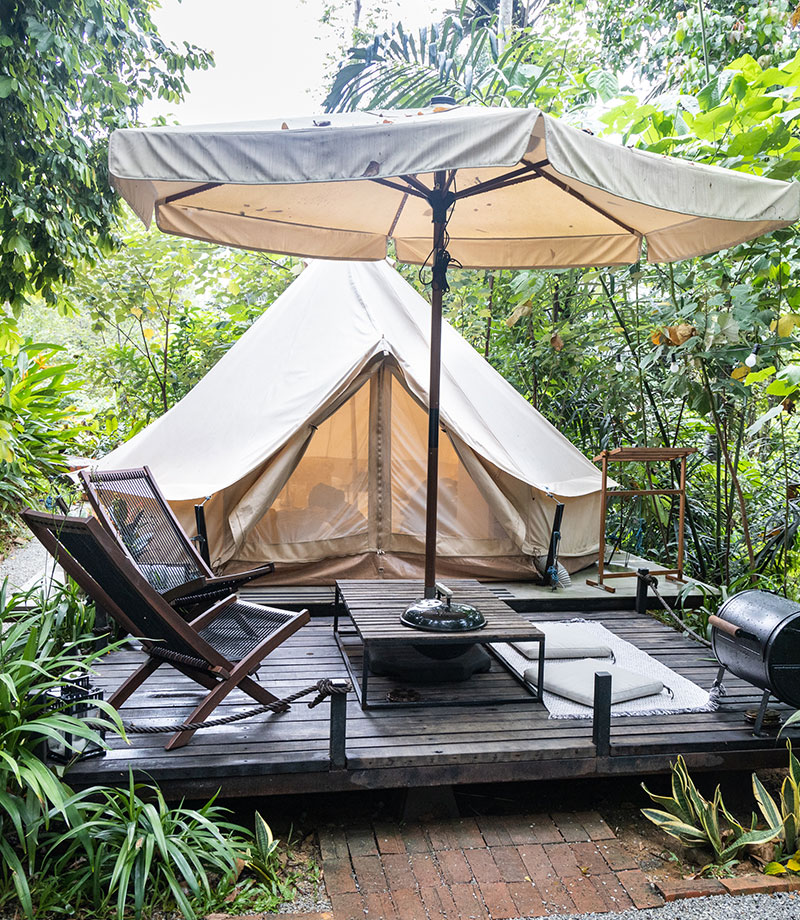
The classic patio umbrella remains one of the most versatile and affordable outdoor shade tools available. Center-pole umbrellas anchor through a table or weighted base, while cantilever or offset umbrellas suspend the canopy from a side arm, keeping the center of the space clear. Premium umbrellas now feature 360-degree rotation, tilting mechanisms, and integrated LED lighting -- making them far more functional than their predecessors.
Pergola
Permanent, architectural, high property value. Ideal for defined outdoor rooms and entertaining areas.
Retractable Awning
Flexible and wall-mounted. Extends shade on demand and retracts to restore an open view.
Shade Sail
Affordable and geometric. Works over irregularly shaped areas and adds a modern aesthetic.
Patio Umbrella
Portable and budget-friendly. Delivers targeted shade for dining tables and lounge chairs.
Comparing Shade Solutions at a Glance
| Solution | Permanence | Coverage | Cost Range | Maintenance |
|---|---|---|---|---|
| Louvered Pergola | Permanent | Large | High | Low |
| Traditional Pergola | Permanent | Large | Medium to High | Medium |
| Retractable Awning | Semi-permanent | Medium | Medium | Low |
| Shade Sail | Removable | Medium to Large | Low to Medium | Low |
| Gazebo | Permanent | Medium | Medium to High | Medium |
| Patio Umbrella | Portable | Small to Medium | Low | Low |
Materials That Make the Difference
The longevity of any outdoor shade structure depends heavily on the materials selected. Wood pergolas, particularly those built from cedar, redwood, or teak, age beautifully and resist decay, but they require periodic sealing or staining to maintain their appearance. Powder-coated aluminum frames are rust-proof, lightweight, and virtually maintenance-free, making them the preferred choice for retractable awnings and modern louvered pergola systems. Vinyl offers similar low-maintenance benefits and handles freeze-thaw cycles particularly well in northern climates.
For fabric elements -- awning covers, shade sails, and umbrella canopies -- solution-dyed acrylic is the gold standard. Unlike surface-printed fabrics, solution-dyed acrylic is colored through the entire fiber, making it highly resistant to fading from UV exposure. It also repels water, resists mildew, and remains supple through temperature extremes. High-density polyethylene, commonly used in shade sails, offers excellent UV block ratings at a lower price point, though it is less durable over many years of continuous outdoor exposure.
Planning Your Outdoor Shade Layout
Effective shade planning begins with observing how the sun moves across your outdoor space throughout the day and across the seasons. Morning sun arrives from the east and tends to be welcome and mild; afternoon sun from the west is typically the most intense and the most important to block. Tracking these patterns for even one summer weekend will reveal which areas of your patio receive the most punishing light and therefore where shade investment will return the greatest comfort benefit.
Consider how you actually use your outdoor space. A dining area benefits from overhead shade centered above the table, while a lounge zone may need wider lateral coverage. Cooking areas near a grill require solutions that tolerate heat and occasional smoke. If children play in the yard, portable shade options that can be repositioned give you flexibility without committing to a fixed footprint.
Integration with Outdoor Living Design
The best outdoor shade structures are not afterthoughts -- they are integral elements of a cohesive outdoor living design. A pergola draped in climbing plants such as wisteria or grapevine creates dappled natural shade while adding sculptural beauty and seasonal interest. A clean aluminum louvered structure pairs naturally with modern minimalist outdoor furniture and geometric paving. Sail shades in earth tones complement natural wood decking and rattan accents.
Lighting integration is another dimension worth considering from the outset. Many pergola manufacturers now offer integrated LED strip lighting in the frame, creating atmospheric evening illumination without the need for separate fixtures. String lights draped across a shade sail create a bistro aesthetic that transforms any backyard into an inviting nighttime space. Thoughtful lighting design extends the usable hours of your shaded outdoor living area well into the evening.
7 Tips for Choosing the Right Outdoor Living Shade
- 1 Measure your space carefully before selecting any structure. Account for the full area you want to shade, not just the footprint of existing furniture.
- 2 Check local building codes and homeowner association rules. Many permanent shade structures require permits, and setback requirements vary by municipality.
- 3 Prioritize wind resistance, especially in coastal or open-plan properties. Look for rated wind speeds on awnings and shade sails, and choose weighted or anchored umbrella bases.
- 4 Choose UV-blocking fabrics with a UPF rating of 50 or higher for maximum protection, particularly if the shade area is used by children or anyone with sun sensitivity.
- 5 Think about drainage when choosing solid roof options. A pergola with a flat polycarbonate panel requires guttering; a sloped awning should direct water away from seating areas.
- 6 Plan for storage or winter protection. Even high-quality outdoor fabrics benefit from being removed and stored during harsh winter months to extend their service life significantly.
- 7 Consult a professional installer for any structure attached to your home. Improper mounting of awnings or wall-mounted pergolas can cause water infiltration and structural damage over time.
Sustainability and Energy Savings
Outdoor living shade is not only about personal comfort -- it also contributes meaningfully to a home's energy efficiency. Exterior shade reduces the solar heat gain that enters through windows and glass doors, lowering indoor temperatures and reducing the workload on air conditioning systems. Studies have shown that strategically placed exterior shading can reduce cooling energy consumption by 25 to 35 percent in sun-exposed homes, making a quality shade structure a genuine long-term investment rather than a simple aesthetic upgrade.
For environmentally conscious homeowners, there are shade options made from sustainably sourced timber certified by the Forest Stewardship Council, recycled-content aluminum frames, and UV-stabilized recycled fabrics. Choosing durable, high-quality materials also reduces the frequency of replacement, which is the most impactful sustainability decision of all.
Bringing It All Together
Creating an outdoor living shade environment that truly serves your lifestyle requires balancing aesthetics, practicality, budget, and climate. The good news is that the range of solutions now available makes it easier than ever to find a product or combination of products that meets every one of those criteria simultaneously. A motorized louvered pergola above a dining table, shade sails over a children's play area, and a large cantilever umbrella by the pool can coexist beautifully in a single outdoor space, each performing a specific function while contributing to a unified design.
Start with your actual patterns of use, observe your sun conditions, set a realistic budget, and choose materials built to last in your specific climate. With those decisions made thoughtfully, an outdoor shade solution stops being an accessory and becomes the foundation of an outdoor living space you will actually use and enjoy every day of the warm season.
Ready to Design Your Shaded Outdoor Space?
The right outdoor living shade solution is out there for every home, budget, and backyard. Take the time to assess your needs, explore your options, and invest in quality materials -- your future self, relaxing in the cool of a well-shaded patio, will thank you for it.