

 English
 中文简体
中文简体

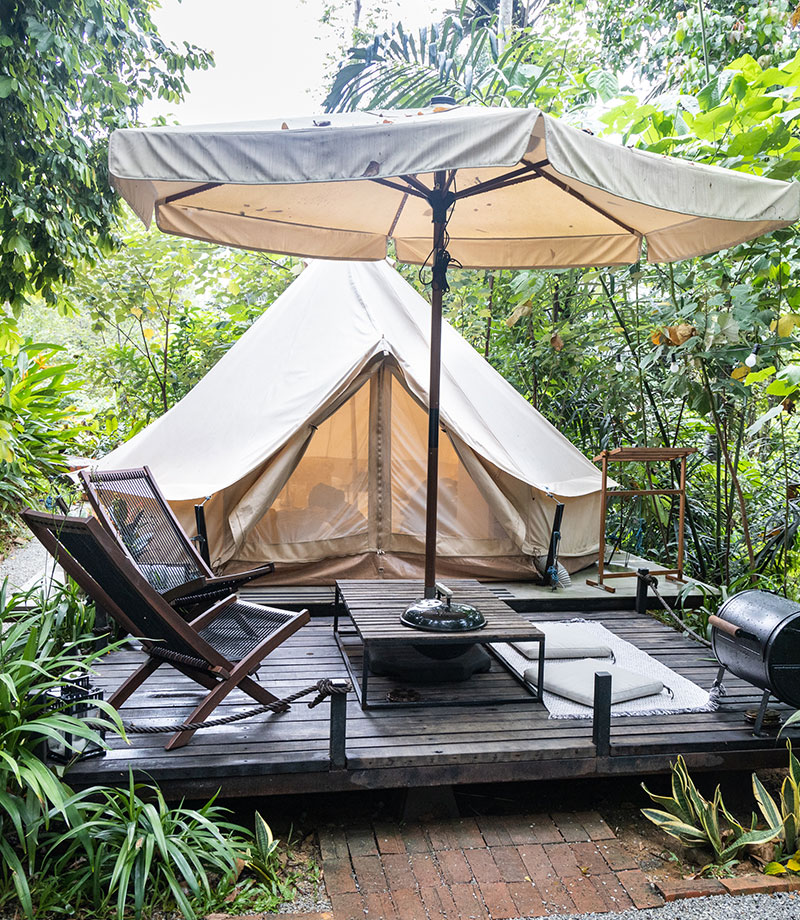

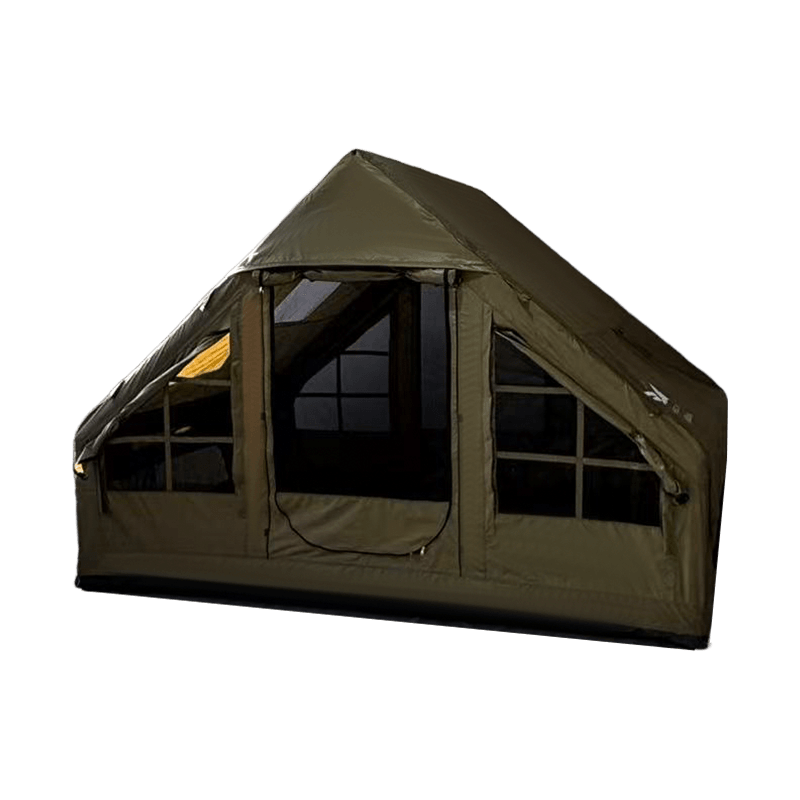
All-weather inflatable functional tents represent a convergence of materials engineering and rapid-deployment design. Unlike traditional pole-frame shelters, these structures use pressurized air beams to achieve structural rigidity in minutes, across terrain and climate conditions where conventional tents routinely fail.
What Defines an All-Weather Inflatable Functional Tent
The term "all-weather" carries real technical weight here. A shelter qualifies only when its structural system, fabric, anchoring method, and ventilation design together allow safe occupancy across the full spectrum of outdoor conditions: sustained winds, heavy precipitation, sub-zero temperatures, and high UV exposure.
Inflatable air-beam technology achieves this through pressurized structural tubes, typically fabricated from TPU-coated polyester or reinforced PVC, that replace rigid poles. When inflated to operating pressure, usually between 7 and 9 PSI, these beams become load-bearing columns and arches, forming a self-supporting shell without a single metal joint or peg-dependent tension.
The "functional" designation separates utility-grade shelters from recreational camping tents. Functional inflatable tents are purpose-engineered for specific operational demands: field command posts, emergency medical stations, disaster relief distribution points, industrial inspection shelters, and extended scientific field camps. Their internal layouts, power integration channels, HVAC compatibility, and floor anchoring systems reflect professional end-use from the ground up.
Core Structural Engineering
Air Beam Technology
Air beams used in all-weather inflatable tents are not simple inflated tubes. High-performance models use a drop-stitch or woven-webbing internal architecture that maintains a defined cross-sectional geometry under load. This prevents the beam from ballooning out of shape and maintains the tent's calculated arc geometry, which directly determines wind and snow load resistance.
Dual-chamber designs add a redundancy layer: an inner structural chamber sealed inside an outer protective sleeve. If the outer sleeve is punctured, pressure loss is contained, and the structure remains standing while repairs are made. This is a non-negotiable feature for deployments in austere environments.
Fabric Systems
The outer canopy in professional all-weather inflatable tents typically combines three distinct layers: a UV-stable, water-resistant outer face, a thermal insulation mid-layer, and an abrasion-resistant inner liner. Hydrostatic head ratings for serious all-weather applications start at 5,000 mm and extend to 20,000 mm or higher for Arctic-rated shelters.
Engineered air-beam frames tested to Beaufort 10 (89 km/h sustained) when properly anchored with ground stakes and guy lines.
Low-profile tunnel and geodesic inflatable designs handle 30 to 75 kg per square meter depending on pitch geometry and beam diameter.
Fabric formulations retain flexibility and seam integrity from -40C to +70C, covering polar through desert deployment scenarios.
Industrial-grade fabrics rated for 2,000 hours of xenon arc exposure before tensile strength degrades to 80% of original specification.
Deployment Speed and Field Practicality
The primary operational advantage of inflatable functional tents over frame structures is deployment time. A trained two-person team can erect a 36 m2 all-weather inflatable shelter in under 12 minutes using an integrated electric pump. The same footprint in a modular aluminum-frame tent requires 45 to 90 minutes and a larger crew.
This speed differential is critical in emergency and disaster response contexts. When a field hospital needs to be operational within one hour of arrival, or when weather conditions are deteriorating during setup, every minute of deployment time saved is operationally meaningful.
- Site preparation and layout
Unroll the packed tent on the designated footprint, confirm orientation relative to prevailing wind and required entry points.
- Connect inflation pump
Attach the electric or manual pump to the primary inflation valve. Most systems use a single-point manifold that pressurizes all beams sequentially.
- Inflate to operating pressure
The structure self-erects as beams pressurize, typically reaching full height within 3 to 8 minutes depending on shelter volume and pump capacity.
- Anchor and tension
Secure ground anchors at manufacturer-specified points, apply guy lines for wind loads, and verify pressure gauges read within the operating band.
- Configure interior and connect utilities
Install interior dividers, lighting, HVAC ducting connections, power cable runs, and any specialized functional equipment required.
Functional Applications Across Industries
All-weather inflatable functional tents serve an exceptionally wide range of industries precisely because their rapid deployment, configurable interiors, and climate resistance apply to many operational problems simultaneously. The unifying thread is the need for temporary, durable, rapidly-erected enclosed space in locations where permanent construction is not possible or appropriate.
In humanitarian response, inflatable functional tents are deployed as triage stations, registration centers, and temporary warehousing. The United Nations High Commissioner for Refugees and several NATO logistics commands have standardized on inflatable shelters for first-72-hour deployment packages because their pack volume is significantly lower than equivalent frame structures. A 50 m2 inflatable shelter can pack into two duffel bags weighing under 80 kg total.
In industrial inspection and maintenance contexts, inflatable shelters create enclosed clean work environments over sensitive equipment or pipeline sections in environments where weather would otherwise halt operations. The ability to position an inflatable tent over a specific work area and create a heated, protected zone with minimal site preparation translates directly to reduced downtime and lower project costs.
All-Weather Inflatable vs. Traditional Frame Tents
| Attribute | Inflatable Functional Tent | Aluminum Frame Tent | Steel Frame Structure |
|---|---|---|---|
| Setup time (36 m2) | 8-15 minutes | 45-90 minutes | 4-8 hours |
| Crew required | 2-4 people | 4-8 people | 8-12 people |
| Pack volume | Low (2-3 bags) | High (palletized) | Very high (flatbed) |
| Wind resistance (sustained) | Up to 89 km/h | Up to 75 km/h | Up to 130 km/h |
| Cold weather performance | Excellent (-40C rated) | Good | Good |
| Field repairability | High (patch kits) | Moderate | Low |
| Structural failure mode | Gradual (slow deflation) | Sudden (pole fracture) | Sudden (joint failure) |
| Modular expansion | Yes (tunnel linking) | Limited | Yes |
Key Procurement and Specification Considerations
Certification Standards
All-weather inflatable functional tents intended for professional deployment should carry verifiable third-party certifications. European buyers should look for compliance with EN 13782 (temporary structures) and EN ISO 6529 for fabric chemical resistance where relevant. Military and government procurement often requires MIL-SPEC fabric testing, specific NSF certifications for medical use, or ATEX ratings for use near flammable atmospheres.
Pump and Pressure Management Systems
The inflation pump is a mission-critical component, not an accessory. Specification decisions include whether the pump is electric (faster, requires power) or manual (independent, slower), what pressure it can deliver versus the tent's operating requirements, whether an auto-shutoff pressure governor is integrated, and whether the pump can also serve for rapid deflation during strike operations.
Pressure monitoring valves with visible gauges are preferable to digital-only systems in field conditions where mud, water, and physical impact are likely. Some high-end systems integrate wireless pressure monitoring with alert thresholds that can page a site manager if pressure drops below a safe operating floor, which is particularly valuable for unattended overnight deployments.
Anchorage and Ground Interface
An inflatable tent's all-weather performance rating is only achievable with the correct anchoring system. Stake-based anchoring works for most ground types, but deployments on concrete, permafrost, sand, or rocky ground require ballast bag systems, screw anchors, or adhesive anchor plates. Manufacturers should provide load-rated anchorage specifications for each tent model and documented ground condition alternatives.
Maintenance, Longevity, and Total Cost of Ownership
A professional-grade all-weather inflatable functional tent represents a significant capital investment, typically ranging from several thousand to tens of thousands of dollars depending on size, insulation rating, and accessory specification. Protecting that investment through correct maintenance practice directly determines whether the shelter delivers a 5-year or a 15-year service life.
Critical maintenance practices include cleaning and fully drying the shelter before storage, as prolonged moisture contact promotes mold growth and accelerates fabric hydrolysis in PVC-coated materials. Inflation and deflation cycles should be logged, as repeated flexing of air beams eventually causes micro-cracking in the coating layer. High-cycle deployments should plan for beam replacement or re-coating at intervals specified by the manufacturer, typically every 300 to 500 full cycles.
Storage temperature matters considerably. PVC and TPU fabrics stored at temperatures consistently above 40C in direct sunlight experience accelerated plasticizer migration, which causes fabric stiffening, cracking, and reduced hydrostatic performance over time. Climate-controlled storage, or at minimum shade storage with UV covers, extends fabric service life measurably.
Field repair capability is one of the practical advantages of inflatable tents over rigid structures. Punctures, tears, and seam separations are repairable in the field with manufacturer-supplied patch kits using solvent-based adhesives or heat-activated repair tape. A trained operator can execute a structural beam repair in under 30 minutes without withdrawing the shelter from service, which is not possible with a bent aluminum pole or cracked frame joint.
Innovation Trends Shaping the Category
The all-weather inflatable functional tent market is advancing on several technical fronts simultaneously. Composite air beam materials incorporating carbon fiber-reinforced bladder walls are entering commercial production, offering beam stiffness approaching rigid aluminum at a fraction of the weight. Early adopter pricing is high, but as volumes grow, these materials will filter down from military and aerospace procurement into broader commercial availability.
Smart pressure management systems with integrated IoT connectivity are becoming standard in the upper tier of the market. These systems monitor individual beam pressure, fabric temperature, and ambient conditions in real time, providing remote visibility into shelter status during unattended operations. Predictive maintenance algorithms can flag anomalies before they become failures, which is particularly valuable for deployments in locations where physical inspection is difficult or infrequent.
Thermal performance improvements through vacuum-insulated panel integration in shelter walls are also in active development. Current high-performance insulated inflatable tents achieve R-values of approximately 5 to 8 using multi-layer batting and air-gap construction. Vacuum-panel technology promises R-values above 20 at significantly reduced wall thickness and weight, which would substantially expand the usable temperature range and reduce the heating energy required to maintain comfortable interior conditions in extreme cold.
Sustainability pressure is driving materials innovation toward recyclable TPU formulations and bio-based polyester fabrics that can be processed through standard textile recycling streams at end of life, replacing legacy PVC compounds that require specialist disposal. Several manufacturers have published take-back programs for end-of-life shelters, reflecting increasing regulatory and procurement pressure on environmental credentials particularly in European markets.