

 English
 中文简体
中文简体


Content
- 1 What a Pickup Truck Camping Tent Actually Is
- 2 Why Overland Travelers Are Turning to This Setup
- 3 Materials That Support Durability on Extended Routes
- 4 How This Setup Compares With Rooftop and Ground Alternatives
- 5 Common Uses Beyond Overnight Sleeping
- 6 Matching a Tent to Truck Bed Size Before an Overland Trip
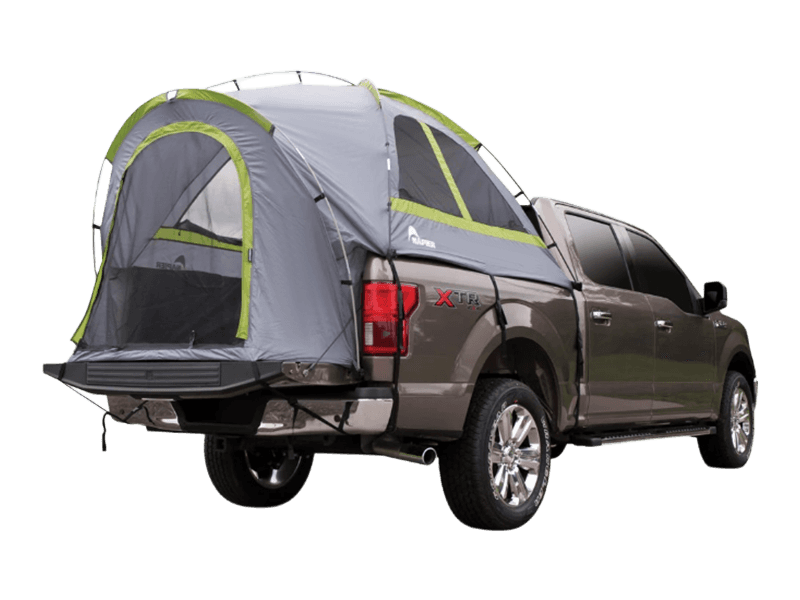
Overland travel has shifted many people away from towed trailers and toward setups that turn an existing vehicle into a self-contained basecamp. A pickup truck camping tent sits at the center of that shift, offering a shelter that mounts directly to a truck bed and eliminates the need for a separate ground tent or a permanently installed rooftop unit. This is why more overland travelers are choosing a truck bed tent as a practical way to combine mobility, shelter and storage into a single setup.
What a Pickup Truck Camping Tent Actually Is
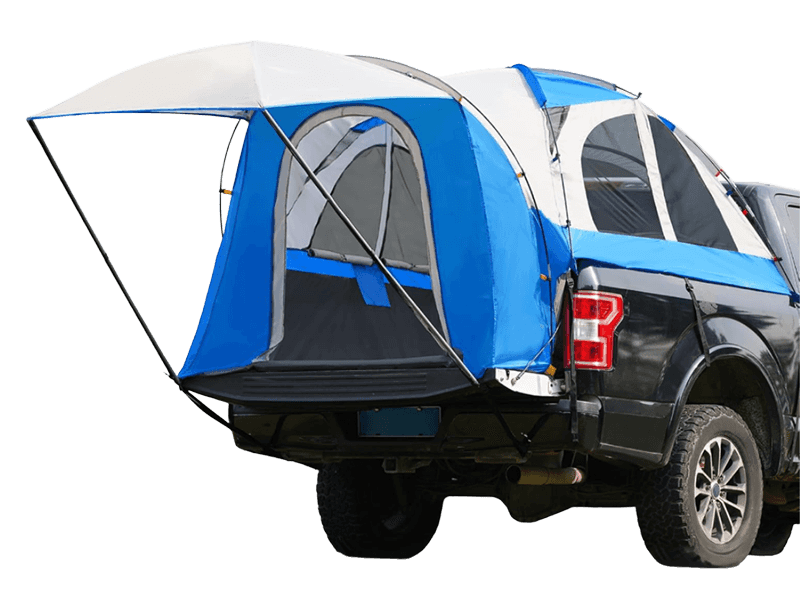
A pickup truck camping tent is a purpose-built shelter designed to attach around the rim of a truck bed, using the vehicle itself as the sleeping platform rather than pitching a separate structure on the ground. Unlike a standard ground tent, this design raises occupants above damp soil, uneven terrain and ground-level pests, while the truck's cab often functions as a partial windbreak along one side of the enclosed space. Because the tent is built specifically around the dimensions of a truck bed rather than adapted from a general camping tent, the fit tends to be considerably tighter and more weather-resistant than an improvised alternative.
Why Overland Travelers Are Turning to This Setup
Overland travel typically involves multi-day routes across varied and often remote terrain, where the ability to stop and set up shelter quickly at an unplanned location carries real practical value. A pickup truck camping tent addresses this need directly, since the frame connects through a series of pole segments and clips that a single traveler can assemble in a matter of minutes without requiring a second person or specialized tools. This speed matters more on an overland route than it might during a planned weekend trip to a fixed campground, since terrain, weather and daylight hours are far less predictable across a longer, more remote journey.
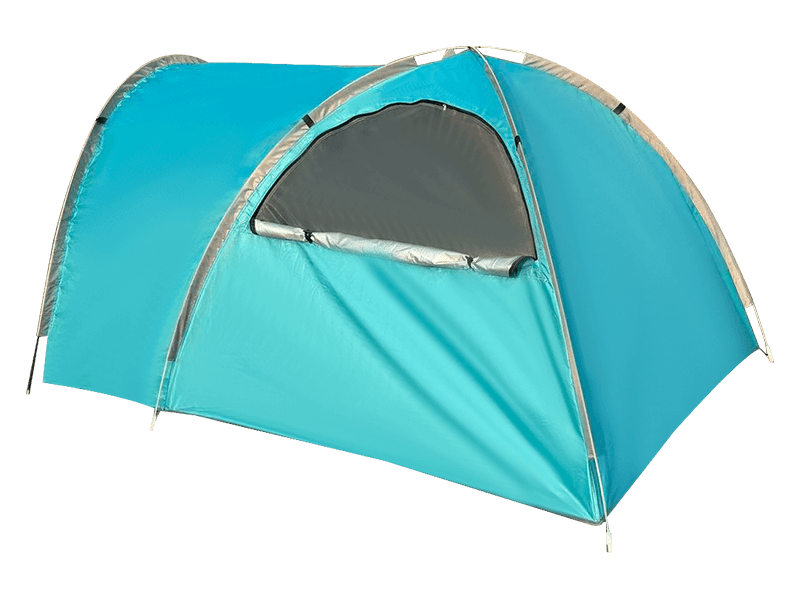
Traditional ground tents require locating a flat, dry patch of earth free of rocks and roots, a search that can consume significant time in rocky, sloped or heavily vegetated backcountry terrain. A truck bed tent sidesteps that search entirely, since the flat truck bed itself becomes the sleeping surface regardless of what the surrounding ground looks like. This advantage compounds over a multi-week route where dozens of overnight stops are needed, since travelers repeatedly avoid the time and effort involved in finding suitable ground each evening.
A properly anchored truck bed tent built with an aluminum alloy frame and coated canvas shell can maintain a stable structure through sustained wind and heavy rain, reducing the setup uncertainty that often accompanies ground tent camping in exposed or unpredictable terrain.
Materials That Support Durability on Extended Routes
Canvas remains a common outer fabric choice for this tent category, valued for resisting abrasion from branches, rocks and rough handling that accumulates over repeated setup cycles on an overland trip. A tightly woven, wear-resistant canvas treated with a waterproof coating sheds rain effectively while holding up to puncture risk better than a lighter nylon fabric might under the same rough conditions, a meaningful difference for a shelter expected to survive months of varied terrain rather than a handful of weekend outings.
Frame Construction and Weight Considerations
The supporting frame is typically built from aluminum alloy tubing, a material chosen for its combination of light weight and structural rigidity, allowing the frame to hold shape against strong wind gusts without adding excessive bulk to the packed tent. Aluminum's natural resistance to corrosion also suits equipment expected to face repeated exposure to rain, humidity and temperature swings across an extended overland route, since a frame prone to rust would gradually lose strength and compromise the tent's stability over time.
Seam and Closure Details
Reinforced double-stitched seams, often paired with a taped or sealed treatment along stress points, help prevent water from working through needle holes left during manufacturing, a detail that matters more during sustained heavy rain than a brief passing shower. Zippers and door closures are frequently backed by a storm flap, a layered fabric covering that blocks wind-driven rain from finding its way through the zipper track itself.
How This Setup Compares With Rooftop and Ground Alternatives
A rooftop tent, mounted permanently on a vehicle's roof rack, offers similar elevation benefits but adds ongoing weight and wind resistance to the vehicle even when the tent isn't in use, along with a fixed installation cost that applies whether or not the vehicle is being used for camping on a given trip. A truck bed tent, by contrast, can typically be removed entirely when not needed, leaving the truck bed available for hauling gear or supplies during the portions of a route that don't involve overnight stops.
| Shelter Type | Setup Time | Ground Dependence |
|---|---|---|
| Ground tent | Moderate to long | Requires flat, dry ground |
| Rooftop tent | Short | None, but permanent vehicle addition |
| Pickup truck camping tent | Short | None, removable when not needed |
Common Uses Beyond Overnight Sleeping
Beyond serving as a nightly sleeping shelter during an overland route, this tent style frequently doubles as a temporary rest and storage area during outdoor work assignments, such as surveying, utility line work or construction projects in remote locations far from permanent facilities. Anglers and hunters commonly rely on the same setup as shelter from wind and rain during early morning or late evening outings, appreciating a quick setup that lets them focus on the activity rather than establishing camp.
Ventilation panels made from fine mesh material, typically positioned along the upper walls or door sections, allow airflow through the tent during warmer nights while keeping insects out, a detail that matters considerably in humid or wooded environments common along many overland routes. Some designs include a removable floor or insulated pad option, giving travelers a way to add cushioning and thermal insulation between themselves and the truck bed's metal surface during colder stretches of a route.
Matching a Tent to Truck Bed Size Before an Overland Trip
Truck beds vary meaningfully in length and width across different makes and models, ranging from a compact short bed around five feet in length to a standard or long bed extending past six or eight feet, and a tent sized incorrectly for the bed it's paired with can either leave gaps that let in weather or fail to reach the tailgate area at all. Checking a truck's specific bed dimensions against a tent's listed compatibility range before an extended trip helps avoid a mismatch that would otherwise compromise the shelter's weatherproofing or interior space partway through a route.
Bed liner type and any existing truck bed accessories, such as a toolbox or bed cap, can also affect how well a particular tent design fits, since raised structures within the bed sometimes interfere with a tent's floor or frame attachment points. Reviewing a truck's bed configuration alongside a tent's mounting instructions before departure helps ensure the two integrate smoothly across the full length of an overland journey rather than requiring adjustments after the fact.